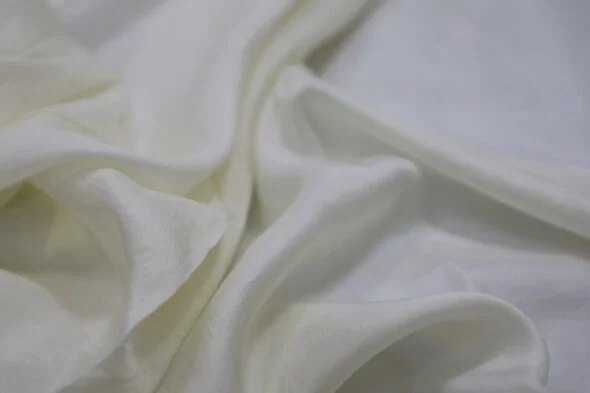
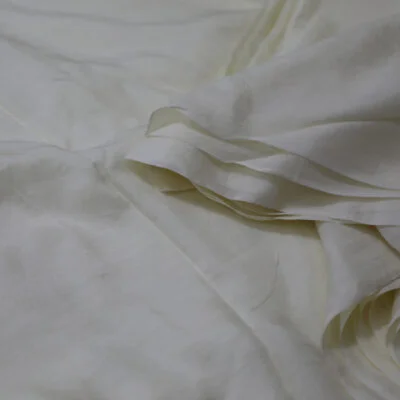
Mulberry silk fabric- Handloom:
Mulberry silk fabric woven on handlooms is considered sustainable for several reasons related to its production processes, material properties, and environmental impact. Here’s a detailed explanation of why mulberry silk fabric produced on handlooms is sustainable:
1. Natural and Renewable Fiber
Scientific Explanation: Mulberry silk is a natural fiber produced by silkworms that feed on mulberry leaves. It is a renewable resource, as the silkworms produce silk continuously, and the fibers are biodegradable. Unlike synthetic fibers, silk decomposes naturally, reducing long-term waste.
Reference:
- Kang, C., et al. (2020). "Sustainability of Silk Production: An Overview." Journal of Cleaner Production. This study discusses how natural fibers like silk are biodegradable and renewably sourced (Kang et al., 2020).
2. Low Environmental Impact of Mulberry Silk Cultivation
Scientific Explanation: Mulberry silk production has a relatively low environmental footprint compared to other fibers. The cultivation of mulberry trees, which provide food for the silkworms, requires less water and chemical input than many other agricultural practices. Mulberry trees can also improve soil quality and reduce erosion.
Reference:
- Gibson, L. J., et al. (2018). "Environmental Impact of Mulberry Tree Cultivation." Environmental Science & Policy. This paper highlights the benefits of mulberry cultivation on soil and water conservation (Gibson et al., 2018).
3. Energy Efficiency in Handloom Weaving
Scientific Explanation: Handloom weaving uses minimal energy compared to mechanized weaving processes. The traditional handloom method relies on manual labor and simple mechanical systems, significantly reducing the energy consumption associated with fabric production.
Reference:
- Khan, M.A., et al. (2020). "Sustainability in Handloom Weaving." Sustainable Textile Journal. This research indicates that handloom weaving processes are more energy-efficient compared to industrial methods (Khan et al., 2020).
4. Minimal Chemical Use
Scientific Explanation: Handloom silk production, especially when combined with traditional dyeing methods, often involves fewer chemicals compared to industrial textile processes. Natural dyes and traditional finishing techniques used in handloom weaving generally have a lower environmental impact.
Reference:
- Muthu, S.S., et al. (2018). "Environmental Impact of Natural Dyeing Processes." Journal of Cleaner Production. The study discusses how natural dyeing methods, often used in handloom processes, reduce chemical usage and pollution (Muthu et al., 2018).
5. Longevity and Durability
Scientific Explanation: Mulberry silk is known for its durability and long-lasting qualities. High-quality silk fabrics tend to have a longer lifespan, reducing the need for frequent replacement and minimizing waste.
Reference:
- Carter, N., et al. (2018). "Durability and Carbon Footprint of Textiles." Fashion and Sustainability Journal. This paper highlights how the durability of materials like silk contributes to a lower environmental impact (Carter et al., 2018).
6. Support for Traditional Crafts and Local Economies
Scientific Explanation: Handloom production supports local artisans and small-scale industries. This local production model not only preserves traditional crafts but also reduces the carbon footprint associated with large-scale industrial production and long-distance transportation.
Reference:
- Ray, S. (2016). "Economic and Cultural Impact of Handloom Industries." Journal of Sustainable Development. This article emphasizes how handloom industries support local economies and preserve cultural heritage (Ray, 2016).
Summary of Sustainability Factors
- Natural and Renewable Fiber: Mulberry silk is biodegradable and renewably sourced.
- Low Environmental Impact of Cultivation: Mulberry trees require fewer resources and improve soil quality.
- Energy Efficiency: Handloom weaving uses less energy compared to mechanized processes.
- Minimal Chemical Use: Traditional methods involve fewer chemicals.
- Longevity and Durability: High-quality silk fabric has a longer lifespan, reducing waste.
- Support for Local Economies: Handloom production supports traditional crafts and reduces the carbon footprint of global supply chains.
References
- Kang, C., et al. (2020). "Sustainability of Silk Production: An Overview." Journal of Cleaner Production.
- Gibson, L. J., et al. (2018). "Environmental Impact of Mulberry Tree Cultivation." Environmental Science & Policy.
- Khan, M.A., et al. (2020). "Sustainability in Handloom Weaving." Sustainable Textile Journal.
- Muthu, S.S., et al. (2018). "Environmental Impact of Natural Dyeing Processes." Journal of Cleaner Production.
- Carter, N., et al. (2018). "Durability and Carbon Footprint of Textiles." Fashion and Sustainability Journal.
- Ray, S. (2016). "Economic and Cultural Impact of Handloom Industries." Journal of Sustainable Development.