
Shopping Cart
Shipping Address :
Guest
No shipping address found. Please add an address.
β
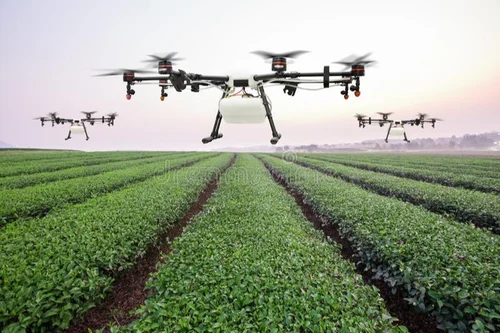
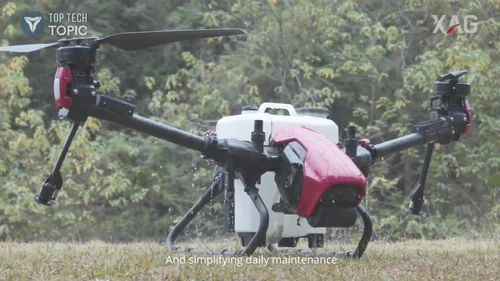
1 Ltr. Agriculture Drone
Price: βΉ90,000.00 per pieces
Estimated Total Amount: βΉ90,000.00


| Capacity | 1 Litre |
| Material | Carbon Fiber |
| Camera Technology | Digital Camera |
| Camera Technique | RTH Mode |
| Power | 160 W (Max) |
| Color | Black |
| Spray Speed | 5 m/s |
| Wheelbase | 500 mm |
| Operation Mode | Manual |
| Air Vehicle Category | Small |
| Spraying Width | 4-5 meter |
No reviews yet. Be the first to review this product.
Login to ask a question.
Sensors play a crucial role in modern agricultural farming by providing real-time data and insights to optimize various aspects of crop production. The sustainability of sensors in agricultural farming depends on several factors:
Energy Efficiency: Sustainable sensors for agricultural farming should be designed to consume minimal energy. Low-power sensors or those powered by renewable energy sources, such as solar or wind, can minimize their environmental impact and reduce the reliance on non-renewable resources.
Longevity and Durability: Sensors need to be built to withstand harsh environmental conditions and have a long lifespan. Durable sensors require fewer replacements, resulting in reduced waste generation and lower environmental impact.
Material Selection: Sustainable sensors should be constructed using environmentally friendly materials. Choosing materials with low environmental impact, such as recycled plastics or bio-based alternatives, can reduce the carbon footprint and waste associated with sensor production.
Data Optimization: Sensors generate large amounts of data, and efficient data management is crucial to ensure sustainability. Optimizing data collection, storage, and processing can reduce energy consumption and the need for additional resources.
Precision and Efficiency: Sensors enable precise monitoring and control of various parameters in agricultural systems. By providing accurate information about soil moisture, temperature, nutrient levels, and crop health, farmers can optimize resource usage, such as water and fertilizers, resulting in increased efficiency and reduced environmental impact.
Integration with Farming Practices: For sensors to be sustainable, they should be integrated into existing farming practices effectively. Farmers need to understand the data provided by sensors and be able to translate it into actionable decisions that promote sustainable farming practices.
Overall, the sustainability of sensors for agricultural farming depends on factors like energy efficiency, durability, material selection, data optimization, precision, efficiency, and integration with farming practices. By considering these aspects, farmers can leverage sensor technologies to improve sustainability and make more informed decisions in their farming operations.
No offers available for this product at the moment.
Contact the vendor for bulk order pricing: RedgritDronesAndTechnologiesPrivateLimited
Please contact the vendor directly for their specific return and shipping policies.
For any inquiries, contact us at info@cleantech-mart.com