


Store: STARCGREEN βœ…
β˜…β˜…β˜…β˜…β˜… (846)
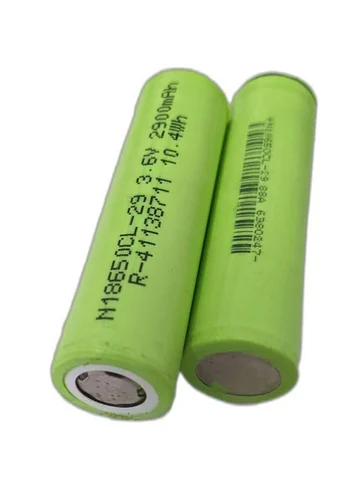
18650 3.7V 2900mAh NMC
Thumb 1
Thumb 2
Thumb 3

18650 3.7V 2900mAh NMC

Voltage3.7V
Usage/ApplicationLithium Battery Pack
Battery Capacity2900
Weight48
Battery TypeLithium-Ion
Capacity2900mAh

Sku: IDESECBB26

Category: Energy Storage, Electro Chemical/Batteries, Batteries

Availability: Out of Stock

β‚Ή 140.00
Price: β‚Ή140.00 per pieces
Estimated Total Amount: β‚Ή140.00
SKU IDESECBB26
Minimum Order 1 pieces

Charge: 0.5C constant current charge to 4.2V followed by 4.2V constant voltage charge to cut-off current ≀ 0.01C; Discharge: 0.2C constant current discharge to cut-off voltage ≀ 2.5V, to obtain the initial capacity; (2) Charge: 0.5C constant current charge to 4.2V followed by 4.2V constant voltage charge to cut-off current ≀ 0.01C; (3) Stored at 25 Β±2 for 28 days; (4) Discharge: 0.2C constant current discharge to cut-off voltage ≀ 2.5V, to obtain the residual capacity; (5) Charge: 0.5C constant current charge to 4.2V followed by 4.2V constant voltage charge to cut-off current ≀ 0.01C; Discharge: 0.2C constant current discharge to cut-off voltage ≀ 2.5V, to obtain the recovery capacity.

No reviews yet. Be the first to review this product.

Write a Review

Loading questions…

Ask a Question

Electrochemical batteries can contribute to sustainable energy systems in several ways, but their overall sustainability depends on various factors, including the materials used, manufacturing processes, and end-of-life management. Here are some key points to consider regarding the sustainability of electrochemical batteries:

  1. Energy Storage and Renewable Integration: Electrochemical batteries, such as lithium-ion batteries, play a crucial role in enabling the integration of renewable energy sources like solar and wind power. They store excess energy generated during periods of high production and release it during times of high demand. This helps balance the grid and reduce the need for fossil fuel-based backup power plants.

  2. Greenhouse Gas Emissions: The carbon footprint of batteries depends on their life cycle, including raw material extraction, production, use, and disposal. While manufacturing batteries does emit greenhouse gases, the overall emissions can be offset if batteries are used in renewable energy systems or electric vehicles (EVs) that replace fossil fuel-based technologies. Additionally, efforts are underway to improve battery manufacturing processes and reduce emissions.

  3. Resource Depletion: Some battery technologies rely on rare and potentially limited resources, such as lithium, cobalt, and nickel. Increased demand for batteries can put pressure on the availability of these resources. However, research and development efforts are focused on reducing the reliance on scarce materials and finding alternative chemistries that use more abundant and sustainable elements.

  4. Recycling and Circular Economy: Proper management of battery waste is essential to minimize environmental impacts. Recycling and adopting a circular economy approach can help recover valuable materials from spent batteries and reduce the need for raw material extraction. Efforts are being made to improve battery recycling technologies and establish efficient collection and recycling systems.

  5. Safety Concerns: Some battery chemistries present safety challenges, particularly during production, use, and end-of-life stages. It is crucial to develop and implement safety measures to mitigate risks associated with hazardous materials, thermal runaway, and fire hazards.

  6. Research and Development: Ongoing research and development efforts aim to improve battery performance, energy density, longevity, and sustainability. Advancements in battery technology can lead to more sustainable and environmentally friendly solutions.

In conclusion, while electrochemical batteries contribute to sustainable energy systems by enabling renewable integration and reducing greenhouse gas emissions, their overall sustainability depends on responsible manufacturing, resource management, recycling, and continued technological advancements. Efforts are underway to address the challenges associated with batteries and make them more sustainable throughout their life cycle.

Offers

No offers available for this product at the moment.

Contact the vendor for bulk order pricing: STARCGREEN

Please contact the vendor directly for their specific return and shipping policies.

For any inquiries, contact us at info@cleantech-mart.com

Request a Quote

Request date: June 11, 2026

Status: New Quote Request – You will get a quote soon!

Product Image

18650 3.7V 2900mAh NMC

πŸͺ STARCGREEN ☘️
β˜…β˜…β˜…β˜…β˜… (0 Reviews)
Price: β‚Ή140.00 per pieces
Estimated Total Amount: β‚Ή140.00

Send a request

Product Enquiry

18650 3.7V 2900mAh NMC

18650 3.7V 2900mAh NMC

 🏪 STARCGREEN  ☘

Chat with us!

18650 3.7V 2900mAh NMC

18650 3.7V 2900mAh NMC

 🏪 STARCGREEN  ☘
STARCGREEN 02:10 PM
Hello Guest!

Shopping Cart

Shipping Address :

Guest

No shipping address found. Please add an address.

β€”

18650 3.7V 2900mAh NMC

18650 3.7V 2900mAh NMC

πŸͺ STARCGREEN βœ…
β˜…β˜…β˜…β˜…β˜… (Reviews)

Price: β‚Ή140.00 per pieces

Estimated Total Amount: β‚Ή140.00

1