Sustainability Score
7/10
Carbon Footprint
Low
Low-Carbon Lifestyle Fit
Excellent
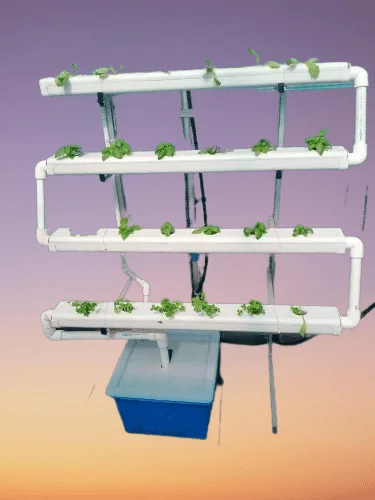
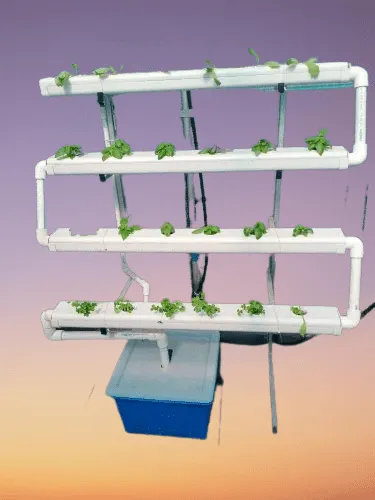
The SSF A-Frame Vertical NFT System primarily uses UPVC, a durable plastic, as its main raw material. Manufacturing involves extrusion and assembly processes, which are typically energy-intensive but can be optimized with renewable energy sources. With proper maintenance, the product boasts a long lifespan of 10-15 years, significantly reducing the frequency of replacement. At end-of-life, UPVC is largely recyclable, though collection and processing infrastructure in India can be a challenge.
| Lifecycle Stage | Impact | Notes |
|---|
| Raw Materials | medium | UPVC production from petrochemicals has a moderate carbon footprint, but its durability offsets this over time. |
| Manufacturing | medium | Energy consumption for extrusion and molding processes can be significant; reliance on grid electricity impacts overall emissions. |
| Packaging | low | Likely uses minimal packaging, such as corrugated cardboard or plastic wrap, which are generally recyclable. |
| Transportation | low | As a relatively lightweight and compact system, its transportation impact is lower compared to bulkier agricultural equipment. |
| Usage Phase | low | Requires electricity for pumps and potentially lighting, but significantly reduces water and nutrient waste compared to traditional farming. |
| End-of-Life | medium | UPVC is recyclable, but the actual recycling rate depends on local infrastructure and consumer awareness in India. |