SKU
CTMFFOFOS01
Minimum Order
1 pieces
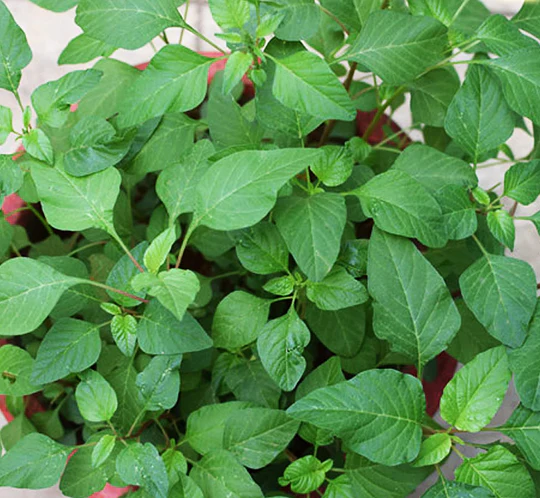
Fresh Arai Keerai:
Farming intertwined with forestation epitomizes a harmonious approach, fostering biodiversity and sustainable agricultural practices. Transitioning to organic farming amplifies this synergy, emphasizing natural processes over synthetic inputs.
In the realm of organic farming, the cornerstone lies in the utilization of organic seeds. These seeds, free from genetic modification and chemical treatments, uphold the essence of natural cultivation. They empower farmers to cultivate crops that align with ecological balance and nutritional richness.
Transitioning to organic seeds heralds numerous benefits. They nurture soil health, enhancing its fertility and structure. Furthermore, organic seeds ensure the production of crops free from synthetic pesticides and herbicides, aligning with the principles of agroecology.
The organic seed movement champions biodiversity conservation. By cultivating diverse plant varieties, farmers contribute to resilient ecosystems, mitigating the risks associated with monoculture. This diversity also aids in natural pest control and reduces the need for chemical interventions.
Moreover, organic farming, coupled with organic seeds, plays a pivotal role in water conservation. These practices focus on enhancing soil's water retention capacity, reducing the overall water footprint of agricultural activities.
Fresh Arai Keerai: In essence, the marriage of farming and forestation, fueled by organic farming practices and organic seeds, epitomizes a sustainable agricultural paradigm. This holistic approach not only nurtures the land but also ensures the well-being of farmers and consumers alike, fostering a regenerative cycle that enriches the environment and the communities it sustains.
The organic seed movement champions biodiversity conservation. By cultivating diverse plant varieties, farmers contribute to resilient ecosystems, mitigating the risks associated with monoculture. This diversity also aids in natural pest control and reduces the need for chemical interventions.
These seeds, free from genetic modification and chemical treatments, uphold the essence of natural cultivation. They empower farmers to cultivate crops that align with ecological balance and nutritional richness.
No reviews yet. Be the first to review this product.
Ask a Question
Login to ask a question.
Organic farming, including the use of organic seeds, is generally considered more sustainable than conventional farming practices for several reasons:
Reduced Chemical Inputs: Organic farming avoids synthetic pesticides and fertilizers, which can harm the environment, pollinators, and non-target organisms. This reduces chemical runoff into water bodies and minimizes soil and water pollution.
Soil Health: Organic farming often emphasizes building and maintaining soil health through practices like crop rotation, cover cropping, and organic matter addition. Healthy soils are more resilient to erosion and better at retaining water and nutrients.
Biodiversity: Organic farming methods often promote biodiversity by using diverse crop rotations, encouraging natural predators, and providing habitats for beneficial insects. This can enhance overall ecosystem health and reduce the need for chemical interventions.
🔒
Full Sustainability Report
Unlock the complete AI-powered lifecycle analysis — certifications, verdict, carbon comparison & more.
✅ Usage Phase impact
✅ End-of-Life data
✅ Key Highlights
✅ Certifications
✅ Final Verdict
🌿
Want Your Own Company ESG Report?
Generate a full BRSR-aligned ESG report for your organisation — AI-powered, Gemini-backed, with a CM Carbon Rating (A–E).
🔑 Login & Calculate ESG
Offers
No offers available for this product at the moment.
Contact the vendor for bulk order pricing: SKOrganicFarms
Please contact the vendor directly for their specific return and shipping policies.