Sustainability Score
8/10
Carbon Footprint
Low
Low-Carbon Lifestyle Fit
Excellent
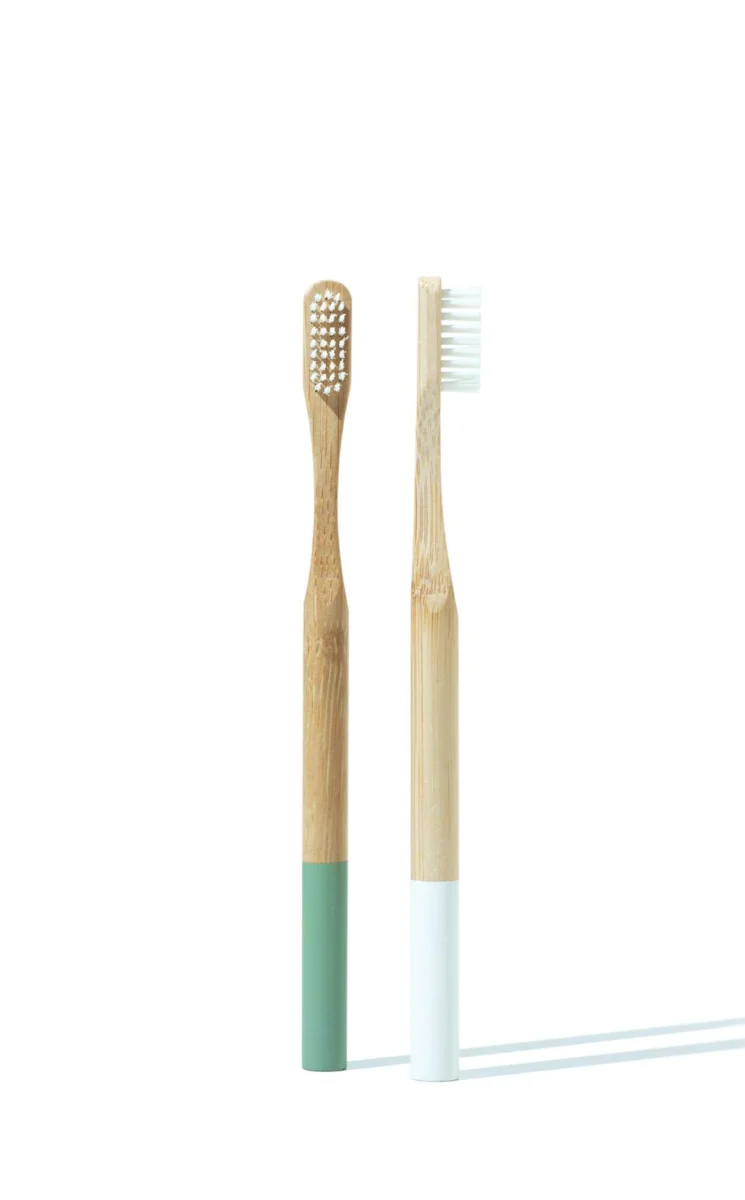
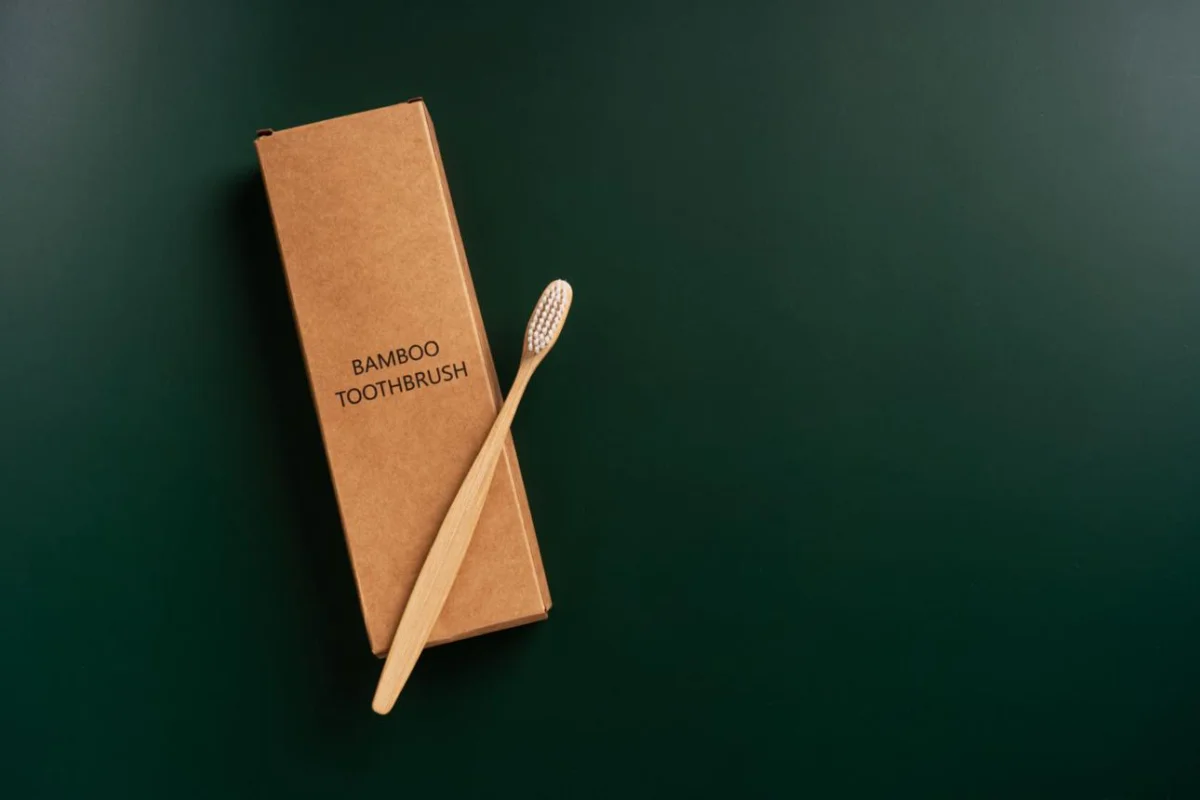
The EcoBrush Bamboo Toothbrush primarily utilizes fast-growing bamboo, a renewable resource, significantly reducing reliance on fossil-fuel-derived plastics. Manufacturing processes for bamboo products typically involve lower energy intensity compared to plastic injection molding. With a comparable lifespan to conventional toothbrushes, its end-of-life disposal offers a substantial environmental advantage due to the biodegradability of the handle and recyclability of the packaging.
| Lifecycle Stage | Impact | Notes |
|---|
| Raw Materials | low | Sourced from rapidly renewable bamboo, minimizing resource depletion and greenhouse gas emissions compared to virgin plastics. |
| Manufacturing | medium | Processing bamboo and creating bristles still requires energy, but generally less than the petrochemical industry for plastic toothbrushes. |
| Packaging | minimal | Designed to be plastic-free and recyclable, drastically reducing packaging waste and associated environmental burdens. |
| Transportation | medium | Shipping from production sites (often Southeast Asia) to India contributes to the carbon footprint, typical for imported goods. |
| Usage Phase | minimal | The product's use phase has negligible environmental impact, similar to conventional toothbrushes. |
| End-of-Life | low | Bamboo handle is biodegradable, and the packaging is recyclable, significantly diverting waste from landfills compared to plastic alternatives. |