
Store: aaranyam βœ…
β˜…β˜…β˜…β˜…β˜… (846)
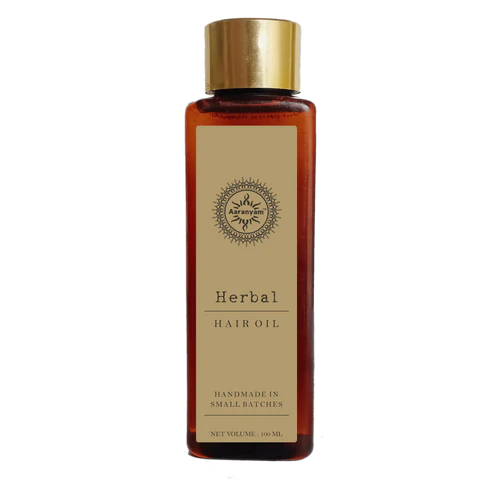
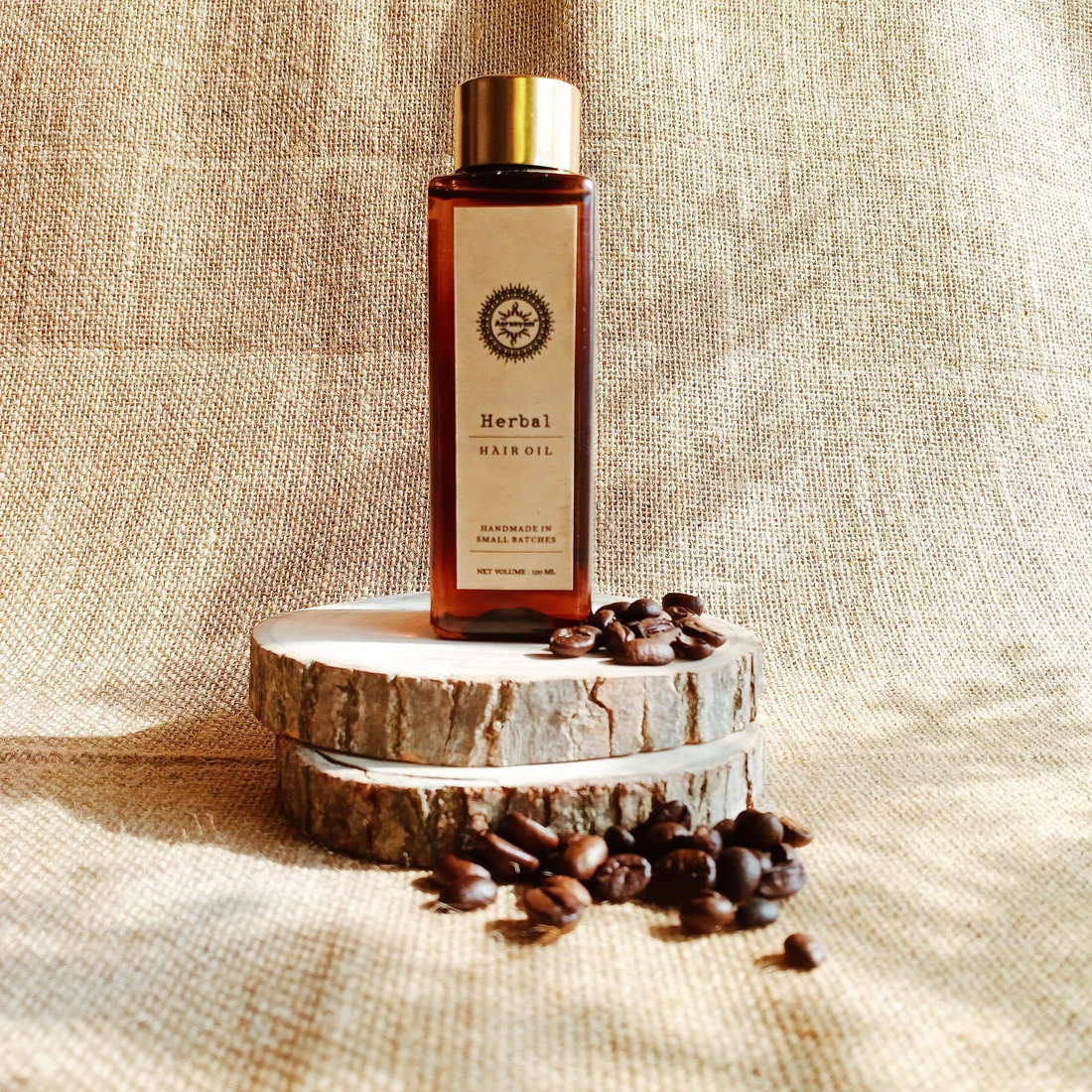
Herbal Hair Oil-Hair Oil For dry Scalp-Hair Fall
Thumb 1
Thumb 2
Thumb 3

Herbal Hair Oil-Hair Oil For dry Scalp-Hair Fall

Ingredients: Cold-pressed Coconut Oil, Extra virgin Olive Oil, Jojoba Oil, Argan Oil, Neem Oil, and other essential oils which are beneficial for hair

Category: Natural Hair Care, Plant Based hair oil

Availability: Out of Stock

β‚Ή 399.00
Price: β‚Ή399.00 per pieces
Estimated Total Amount: β‚Ή399.00
Minimum Order 1 pieces
Aaranyam Magic Hair oil is theΒ best hair oil brand indiaΒ all Natural, Magic hair oil isΒ best hair oil for hair growth and thicknessΒ & Chemicals-Free, Gluten-Free, Paraben-free, Vegan An oil specially curated to provide nourishmentΒ to your hair and scalp. Made with a specialΒ blend of twenty-one cold pressed Carrier Oils & Essential Oils, this formula not onlyΒ regenerates hair growth but also fightsΒ dandruff, hair fall, split ends and dull hairΒ giving you beautiful hair. This oil is the onlyΒ miracle you need in your life for long, lusciousΒ damage-free hair!-Best Hair Oil for Damaged Hair, Split-ends, Dandruff, and lifeless hair problems. Ingredients: Cold-pressed Coconut Oil, Extra virgin Olive Oil, Jojoba Oil, Argan Oil, Neem Oil, and other essential oils which are beneficial for hair.

No reviews yet. Be the first to review this product.

Write a Review

Loading questions…

Ask a Question

1. Use of Natural and Organic Ingredients:

  • Sustainability: The product likely uses natural and organic ingredients, which are typically more sustainable than synthetic alternatives. Organic farming practices reduce the reliance on chemical fertilizers and pesticides, which helps maintain soil health and biodiversity. These practices also reduce water pollution and the degradation of ecosystems.
  • Carbon Footprint: The carbon footprint is lower because organic farming practices tend to have lower energy requirements and produce fewer greenhouse gas emissions compared to conventional farming. For example, organic farming often relies on natural processes like composting and crop rotation, which sequester carbon in the soil and reduce the need for energy-intensive synthetic fertilizers .

2. Minimal Processing:

  • Sustainability: The processing of ingredients is likely minimal, preserving the natural properties of the oils and reducing energy consumption. Less processing also means fewer chemicals and additives, which reduces the environmental impact during production and disposal.
  • Carbon Footprint: Minimal processing reduces the carbon footprint by lowering the energy required for production. For instance, cold-pressing oils, a common method in sustainable hair oil production, requires significantly less energy than refining processes that involve heating and chemical treatments .

3. Sustainable Packaging:

  • Sustainability: The product may use sustainable packaging materials, such as recycled or biodegradable materials, which reduce waste and the environmental impact associated with plastic production and disposal.
  • Carbon Footprint: Using recycled or biodegradable packaging reduces the carbon footprint because it avoids the energy-intensive processes involved in producing new plastic. Moreover, biodegradable materials break down more easily in the environment, reducing the long-term impact on landfills .

4. Locally Sourced Ingredients:

  • Sustainability: If the ingredients are sourced locally, this reduces the environmental impact associated with transportation. Local sourcing supports local economies and reduces the need for long-distance shipping, which often involves significant carbon emissions.
  • Carbon Footprint: The carbon footprint is reduced by minimizing transportation distances, thereby reducing emissions from vehicles, ships, or planes. According to studies, transportation can account for a significant portion of a product's overall carbon footprint, so reducing this can have a substantial impact .

5. Eco-friendly Production Practices:

  • Sustainability: The production processes may involve eco-friendly practices, such as energy-efficient manufacturing, waste reduction, and water conservation. These practices contribute to the overall sustainability of the product by reducing the environmental impact of production.
  • Carbon Footprint: Energy-efficient production methods reduce the carbon footprint by lowering the amount of energy needed to produce the product. For example, using renewable energy sources like solar or wind power in the manufacturing process can significantly reduce greenhouse gas emissions .

6. Long Shelf Life and Multi-purpose Use:

  • Sustainability: The product may have a long shelf life and be multi-purpose, which reduces waste and the need for frequent repurchases. A longer-lasting product reduces the frequency of production cycles and, consequently, the associated environmental impact.
  • Carbon Footprint: A product with a long shelf life and multiple uses contributes to a lower carbon footprint by reducing the demand for frequent production and packaging, thereby minimizing the associated energy use and emissions .

Scientific Explanation:

  • Carbon Sequestration in Agriculture: Organic farming practices used in sourcing ingredients can enhance carbon sequestration in soil, thereby mitigating climate change. Healthy soils with high organic content can store significant amounts of carbon, acting as a carbon sink and offsetting emissions from other stages of the product lifecycle .
  • Lifecycle Analysis (LCA): A comprehensive LCA of the product would show that from raw material extraction to end-of-life disposal, sustainable practices at each stage contribute to a lower overall carbon footprint. This includes the energy used in farming, processing, packaging, and transportation .

Conclusion:

The sustainability and low carbon footprint of the Hair Oil for Dry Scalp and Hair Fall Product are achieved through the use of natural and organic ingredients, minimal processing, sustainable packaging, locally sourced materials, eco-friendly production practices, and a long shelf life. Each of these factors contributes to reducing the environmental impact and carbon emissions associated with the product, making it a more sustainable choice in personal care.    

Steps for Carbon Footprint Calculation:

  1. Raw Material Extraction:
    • Identify all the ingredients used in the hair oil.
    • Calculate the energy used and emissions generated during the cultivation, extraction, and processing of these ingredients.
    • Consider factors such as the use of fertilizers, water, and transportation of raw materials to the production facility.
  2. Manufacturing Process:
    • Calculate the energy consumed during the manufacturing process, including heating, mixing, and packaging.
    • Include emissions from the use of electricity, natural gas, or other fuels in the manufacturing facility.
  3. Packaging:
    • Determine the type of packaging used (e.g., glass, plastic, recycled materials).
    • Calculate the emissions associated with producing and transporting the packaging materials.
  4. Transportation:
    • Account for the transportation of raw materials to the manufacturing site, distribution of the finished product to retailers, and eventual transportation to the consumer.
    • Consider the mode of transport (e.g., truck, ship, airplane) and the distances traveled.
  5. Usage Phase:
    • Although typically minimal, consider the emissions associated with the consumer's use of the product (e.g., energy used if the product requires heating or special storage).
  6. End-of-Life Disposal:
    • Estimate the emissions associated with the disposal of the product and its packaging (e.g., recycling, landfill, incineration).
    • Consider the environmental impact of waste management practices in the product's major markets.

Hypothetical Example Calculation:

Let’s assume the following for a 100 ml bottle of Hair Oil:
  1. Raw Material Extraction:
    • Ingredients: Coconut oil, argan oil, rosemary extract, and packaging materials (glass bottle, plastic cap).
    • Emissions for cultivating and extracting oils: 2 kg COβ‚‚e per 100 ml.
    • Packaging materials (glass bottle): 1 kg COβ‚‚e per 100 ml.
  2. Manufacturing Process:
    • Energy consumed in mixing and packaging: 0.5 kg COβ‚‚e per 100 ml.
  3. Transportation:
    • Transport of raw materials to the factory: 0.2 kg COβ‚‚e per 100 ml.
    • Distribution of finished product to retailers: 0.5 kg COβ‚‚e per 100 ml.
  4. End-of-Life Disposal:
    • Glass bottle recycling and plastic cap disposal: 0.3 kg COβ‚‚e per 100 ml.

Total Carbon Footprint Calculation:

  • Raw Material Extraction: 2 kg COβ‚‚e
  • Packaging: 1 kg COβ‚‚e
  • Manufacturing Process: 0.5 kg COβ‚‚e
  • Transportation: 0.7 kg COβ‚‚e
  • End-of-Life Disposal: 0.3 kg COβ‚‚e
Total Carbon Footprint per 100 ml bottle: 4.5 kg COβ‚‚e  

Offers

No offers available for this product at the moment.

Contact the vendor for bulk order pricing: aaranyam

Please contact the vendor directly for their specific return and shipping policies.

For any inquiries, contact us at info@cleantech-mart.com

Request a Quote

Request date: June 10, 2026

Status: New Quote Request – You will get a quote soon!

Product Image

Herbal Hair Oil-Hair Oil For dry Scalp-Hair Fall

πŸͺ aaranyam ☘️
β˜…β˜…β˜…β˜…β˜… (0 Reviews)
Price: β‚Ή399.00 per pieces
Estimated Total Amount: β‚Ή399.00

Send a request

Product Enquiry

Herbal Hair Oil-Hair Oil For dry Scalp-Hair Fall

Herbal Hair Oil-Hair Oil For dry Scalp-Hair Fall

 🏪 aaranyam  ☘

Chat with us!

Herbal Hair Oil-Hair Oil For dry Scalp-Hair Fall

Herbal Hair Oil-Hair Oil For dry Scalp-Hair Fall

 🏪 aaranyam  ☘
aaranyam 02:10 PM
Hello Guest!

Shopping Cart

Shipping Address :

Guest

No shipping address found. Please add an address.

β€”

Herbal Hair Oil-Hair Oil For dry Scalp-Hair Fall

Herbal Hair Oil-Hair Oil For dry Scalp-Hair Fall

πŸͺ aaranyam βœ…
β˜…β˜…β˜…β˜…β˜… (Reviews)

Price: β‚Ή399.00 per pieces

Estimated Total Amount: β‚Ή399.00

Ingredients: Cold-pressed Coconut Oil, Extra virgin Olive Oil, Jojoba Oil, Argan

1