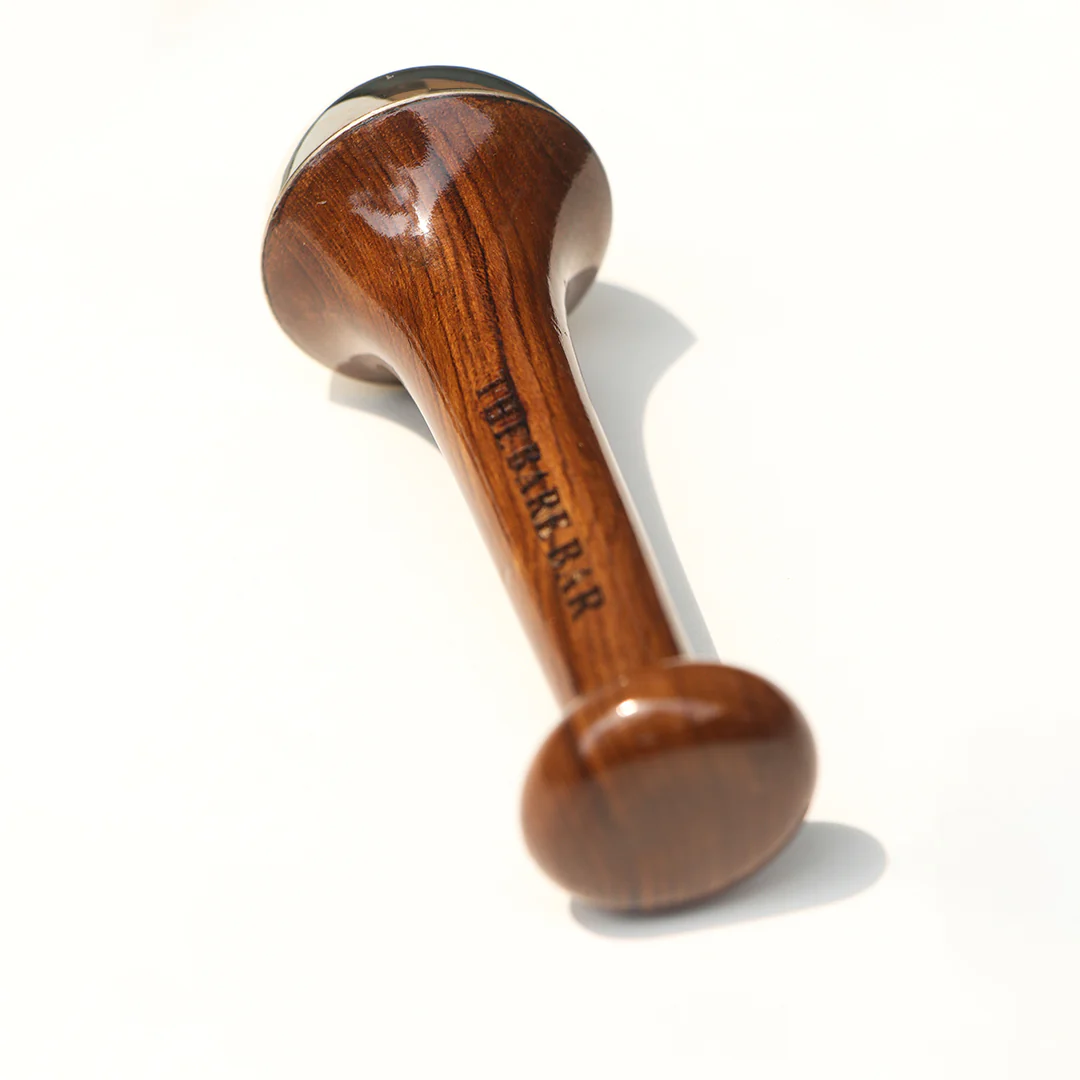
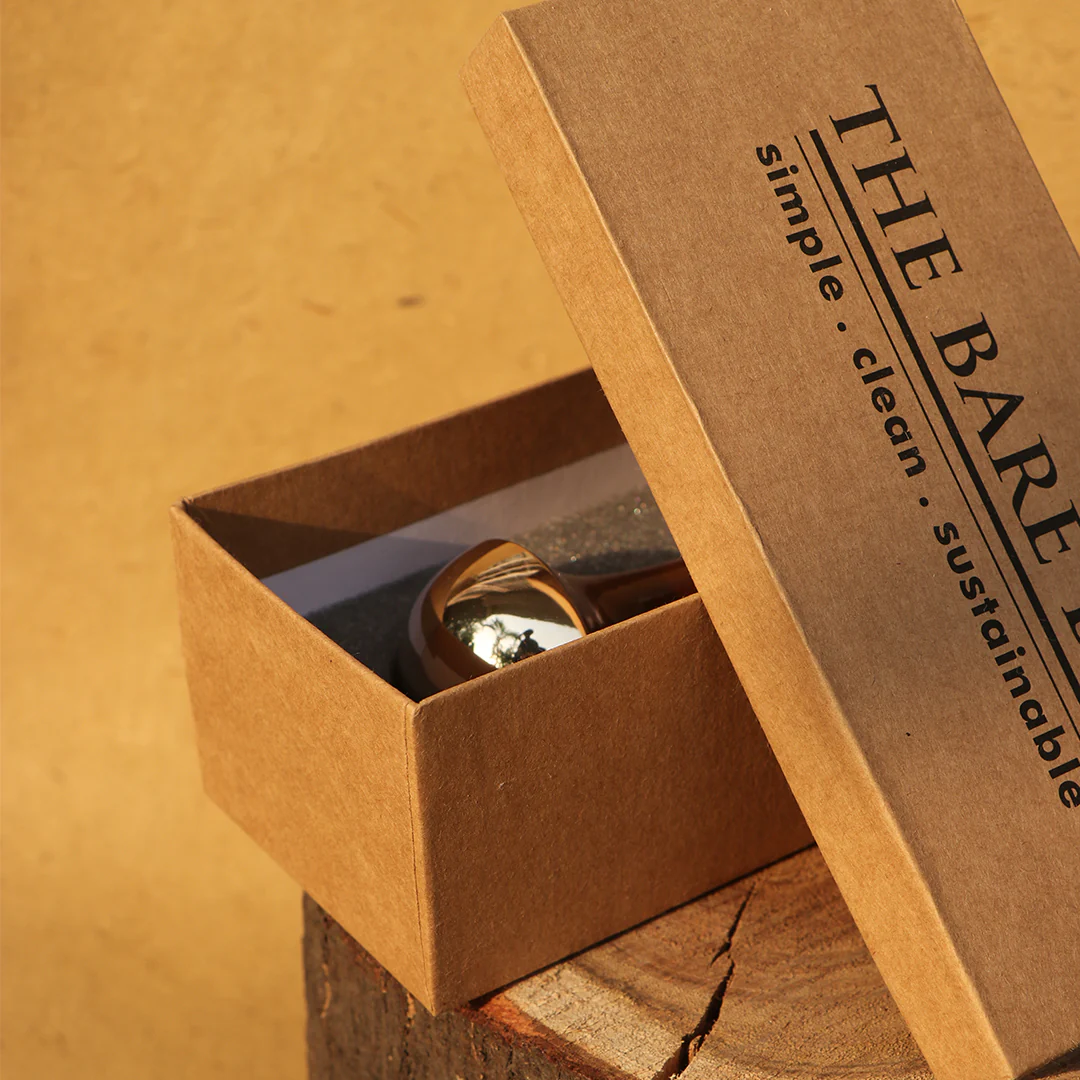
1. Materials Used
Face massage wands are often made from sustainable materials like jade, rose quartz, or other natural stones, which have a lower environmental impact compared to plastic or metal alternatives.
- Natural Stones: These materials are durable and long-lasting, reducing the need for frequent replacements. Additionally, the extraction and processing of natural stones generally involve fewer chemicals and less energy compared to synthetic materials.
- Wooden Handles: If the handle of the wand is made from sustainably sourced wood, it adds to the product's sustainability. Wood is a renewable resource, especially when sourced from responsibly managed forests.
Scientific Explanation: The carbon footprint of natural materials is generally lower because they do not require energy-intensive manufacturing processes. According to a study on the environmental impact of various materials, natural stones have a significantly lower carbon footprint compared to plastic and metal, due to lower processing energy requirements and the absence of synthetic chemicals in their production .
2. Manufacturing Process
The manufacturing process of face massage wands can be relatively simple, involving minimal energy and resource consumption.
- Artisanal Production: If the wands are handcrafted, this can further reduce the carbon footprint. Handcrafted production often involves less energy and fewer emissions compared to mass production techniques.
- Minimal Processing: Natural stones and wood require minimal processing, which reduces the energy consumption and emissions associated with manufacturing.
Scientific Explanation: Handcrafted products typically have a lower environmental impact because they avoid the high energy consumption and emissions associated with industrial manufacturing processes. A lifecycle assessment study on artisanal vs. industrial production highlighted the lower carbon footprint of artisanal methods due to reduced energy use and simpler processing steps .
3. Longevity and Durability
Face massage wands made from durable materials tend to last longer, reducing the need for frequent replacements and thereby lowering the overall carbon footprint over time.
- Durability: Natural stone and high-quality wood are known for their durability, ensuring the product lasts for years.
- Reduced Waste: Longevity contributes to waste reduction, as fewer products need to be disposed of or recycled.
Scientific Explanation: Products with longer lifespans contribute less to environmental degradation and resource depletion. A study on product durability and environmental impact found that increasing the lifespan of a product significantly reduces its overall carbon footprint because it lowers the frequency of replacement and disposal .
4. Minimal Packaging
Sustainable packaging practices can also contribute to the overall low carbon footprint of face massage wands.
- Eco-friendly Packaging: Using recyclable, biodegradable, or minimal packaging materials helps reduce waste and the carbon footprint associated with packaging.
Scientific Explanation: Packaging contributes significantly to a product's carbon footprint. According to a lifecycle assessment of packaging materials, using eco-friendly packaging can reduce the carbon footprint by up to 50% compared to conventional packaging materials .
5. Use and Maintenance
Face massage wands typically require no electricity or batteries, making them environmentally friendly during use.
- Energy-free Use: Unlike electronic beauty devices, face massage wands do not consume energy during use, reducing their operational carbon footprint.
- Easy Maintenance: Simple cleaning with water and mild soap ensures minimal use of cleaning agents and resources.
Scientific Explanation: Products that do not require electricity or batteries have a lower operational carbon footprint. A comparative study on the environmental impact of manual vs. electronic devices found that manual devices have a significantly lower carbon footprint due to the absence of energy consumption during use .
References
- Lifecycle Assessment of Natural Stone
- Environmental Impact of Materials
- Artisanal vs. Industrial Production
- Product Durability and Environmental Impact
- Lifecycle Assessment of Packaging Materials
- Comparative Study on Manual vs. Electronic Devices
🔒
Full Sustainability Report
Unlock the complete AI-powered lifecycle analysis — certifications, verdict, carbon comparison & more.
✅ Usage Phase impact
✅ End-of-Life data
✅ Key Highlights
✅ Certifications
✅ Final Verdict
🌿
Want Your Own Company ESG Report?
Generate a full BRSR-aligned ESG report for your organisation — AI-powered, Gemini-backed, with a CM Carbon Rating (A–E).
🔑 Login & Calculate ESG