LED (light-emitting diode) lights are generally considered more sustainable than traditional lighting options like incandescent bulbs and fluorescent lights. This is because they use less energy, last longer, and contain fewer hazardous materials.
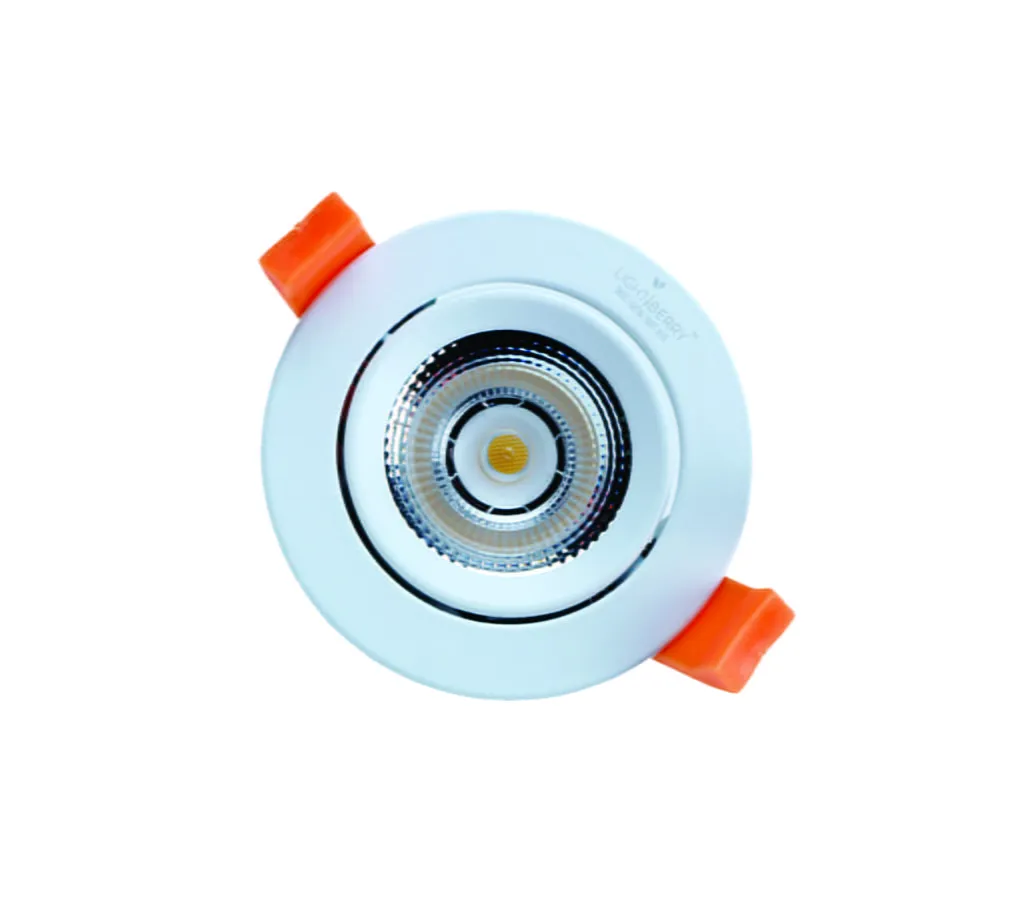
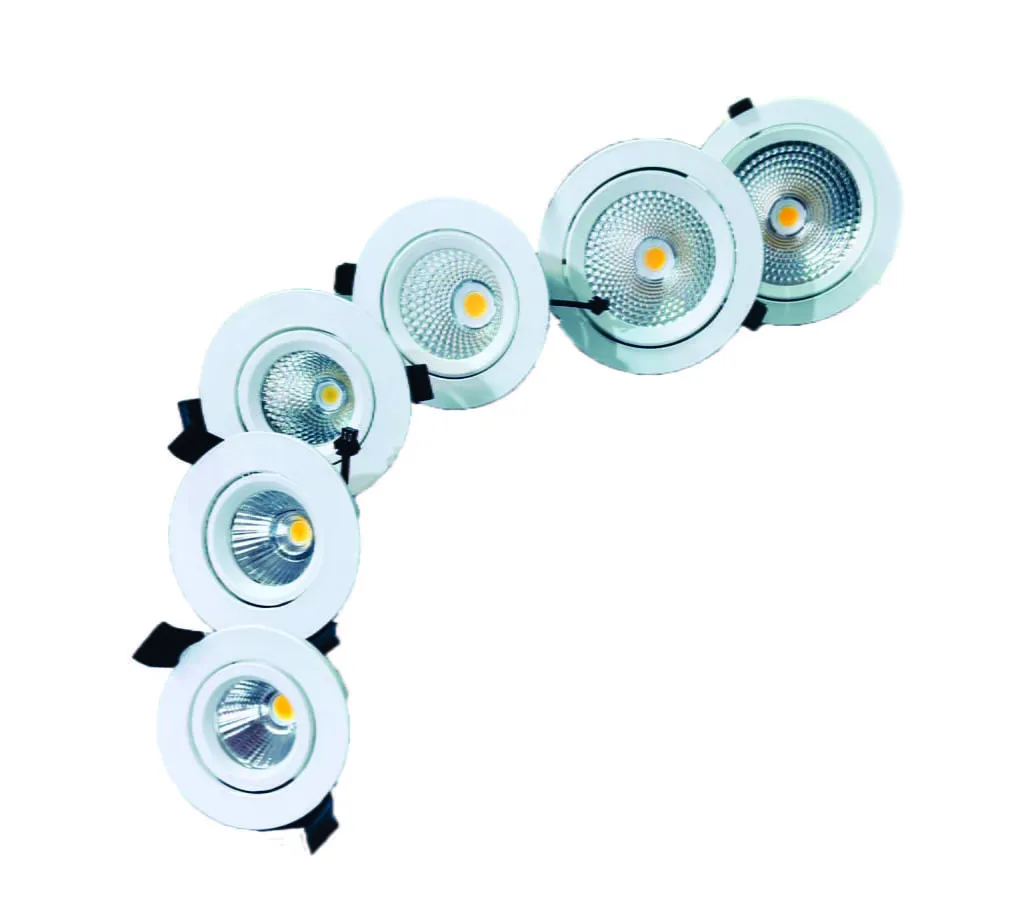
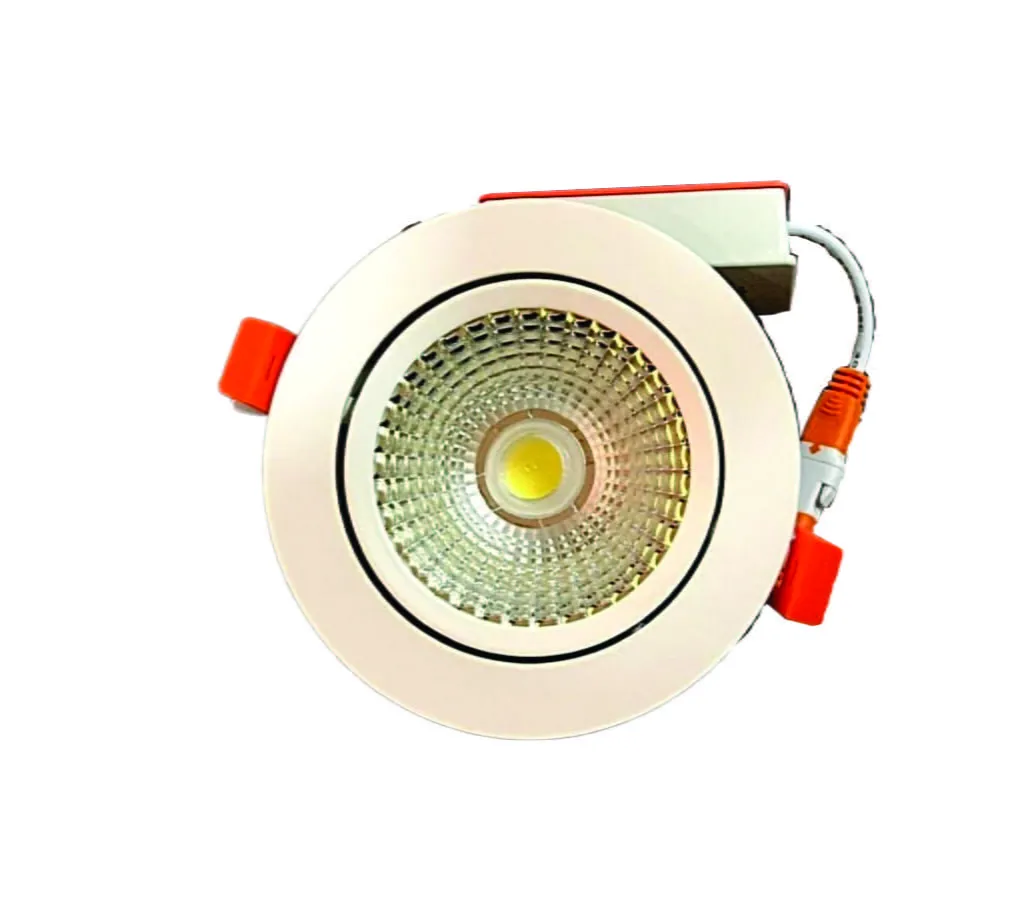
When it comes to LED low deep COB (chip on board) lights specifically, they are a type of LED technology that can provide high-quality lighting in a more energy-efficient manner than other types of LEDs. COB LEDs are created by placing multiple LED chips on a single substrate, which can result in a brighter and more uniform light output.
In terms of sustainability, LED low deep COB lights can have several benefits. They typically have a longer lifespan than other lighting options, which means they need to be replaced less frequently. This can reduce waste and lower the environmental impact of producing new lights. LED lights also use less energy than traditional lighting options, which can help to reduce carbon emissions and lower electricity bills.
Additionally, LED lights don't contain hazardous materials like mercury, which can be found in fluorescent lights. This means they can be safely disposed of at the end of their lifespan without posing a risk to the environment or human health.
Overall, LED low deep COB lights are a sustainable lighting option that can help to reduce energy consumption, lower costs, and minimize environmental impact.
🔒
Full Sustainability Report
Unlock the complete AI-powered lifecycle analysis — certifications, verdict, carbon comparison & more.
✅ Usage Phase impact
✅ End-of-Life data
✅ Key Highlights
✅ Certifications
✅ Final Verdict
🌿
Want Your Own Company ESG Report?
Generate a full BRSR-aligned ESG report for your organisation — AI-powered, Gemini-backed, with a CM Carbon Rating (A–E).
🔑 Login & Calculate ESG