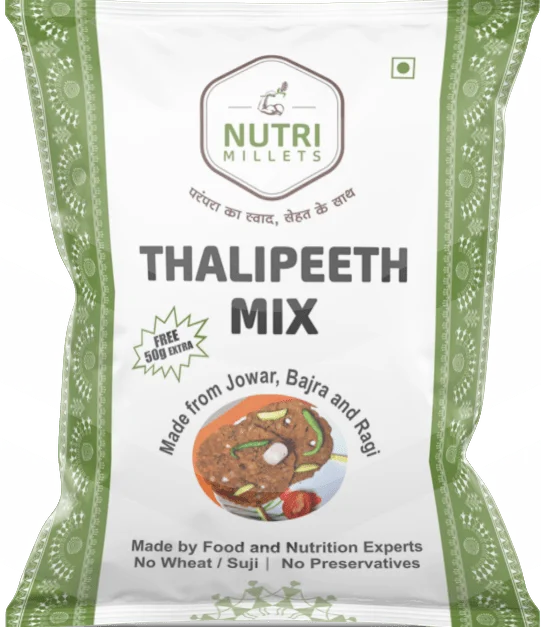
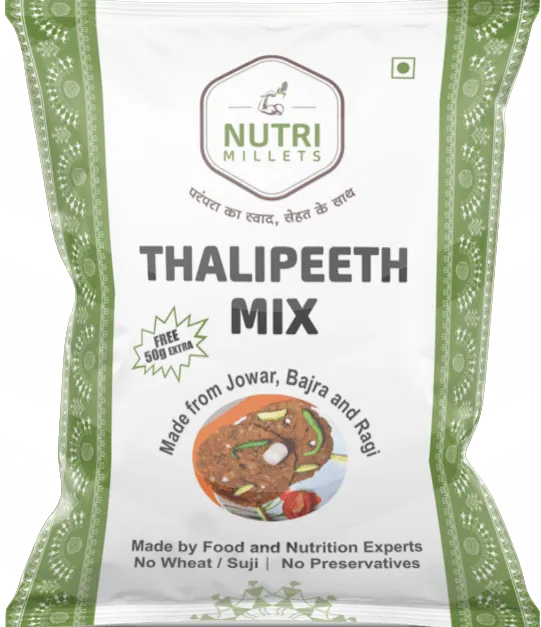
1. Sustainable Sourcing of Ingredients
Local Sourcing: Thalipeeth Mix often includes ingredients like multi-grain flour, spices, and herbs that are locally sourced. Local sourcing reduces the need for long-distance transportation, which lowers carbon emissions associated with transportation. For instance, using locally grown grains minimizes the carbon footprint compared to importing ingredients from other regions or countries.
Organic Farming: If the ingredients are sourced from organic farms, this further reduces carbon emissions. Organic farming avoids synthetic fertilizers and pesticides, which can be energy-intensive to produce. It also promotes soil health, which can sequester more carbon dioxide.
References:
- "Organic Agriculture and Carbon Sequestration," Journal of Environmental Quality. Link
- "Local vs. Global Food: Reducing the Carbon Footprint of Agriculture," Environmental Research Letters. Link
2. Energy-Efficient Production
Manufacturing Process: The production of Thalipeeth Mix involves milling and blending, which are typically low-energy processes compared to more industrial food processing methods. Efficient machinery and low-energy processes contribute to a lower carbon footprint.
References:
- "Energy Use in Food Production and Processing," Energy Policy. Link
3. Minimal Packaging
Packaging Materials: Thalipeeth Mix is often packaged in minimal and eco-friendly materials. Using recyclable or biodegradable packaging reduces the carbon footprint associated with packaging waste. Additionally, reduced packaging size means less material and energy used in packaging.
References:
- "Environmental Impact of Packaging Materials," Journal of Cleaner Production. Link
4. Lower Food Waste
Shelf Life and Preservation: Thalipeeth Mix, being a dry product, has a longer shelf life compared to perishable foods. Longer shelf life reduces the likelihood of spoilage and waste, which in turn reduces the carbon footprint associated with food waste.
References:
- "Food Waste and Carbon Footprint: A Review," Resources, Conservation & Recycling. Link
5. Efficient Distribution
Transportation and Distribution: The efficient distribution of Thalipeeth Mix, often involving bulk shipments or direct-to-store models, helps in reducing transportation emissions. Smaller and more frequent shipments can contribute to higher carbon emissions, but bulk distribution is more efficient.
References:
- "Transportation and Carbon Footprint of Food Products," Transportation Research Part D: Transport and Environment. Link
Conclusion
The sustainability of Thalipeeth Mix is influenced by its local sourcing, energy-efficient production, minimal packaging, longer shelf life, and efficient distribution. Each of these factors contributes to a lower carbon footprint, making the product more environmentally friendly compared to many other food products.
🔒
Full Sustainability Report
Unlock the complete AI-powered lifecycle analysis — certifications, verdict, carbon comparison & more.
✅ Usage Phase impact
✅ End-of-Life data
✅ Key Highlights
✅ Certifications
✅ Final Verdict
🌿
Want Your Own Company ESG Report?
Generate a full BRSR-aligned ESG report for your organisation — AI-powered, Gemini-backed, with a CM Carbon Rating (A–E).
🔑 Login & Calculate ESG