
Shopping Cart
Shipping Address :
Guest
No shipping address found. Please add an address.
β
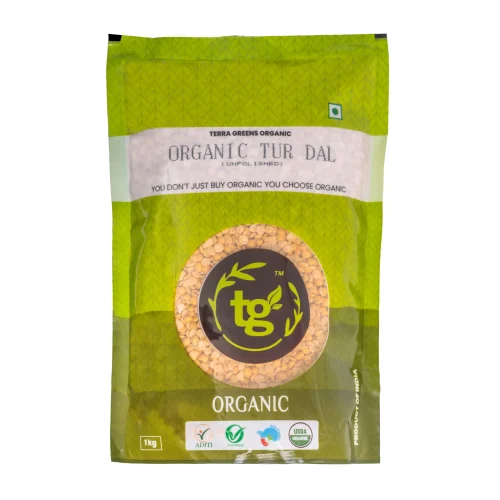
Organic Toor Dal
Price: βΉ229.00 per pieces
Estimated Total Amount: βΉ229.00


| Variety Available | Toor |
| Color | Yellow |
| Packaging Type | Loose |
| Is It Organic | Organic |
| Moisture | 0.8% |
| Shelf Life | 1 Year |
No reviews yet. Be the first to review this product.
Login to ask a question.
Organic dal, like other organic food products, is generally considered to be more sustainable compared to conventionally grown dal. Here are a few reasons why organic dal is considered more sustainable:
Reduced chemical inputs: Organic farming practices prohibit the use of synthetic pesticides, herbicides, and fertilizers. Instead, organic farmers rely on natural methods such as crop rotation, composting, and biological pest control to maintain soil fertility and control pests. This reduces chemical pollution in soil, water, and air.
Soil health and conservation: Organic farming emphasizes soil health and fertility. Organic farmers use practices like crop rotation, cover cropping, and the application of organic matter (such as compost) to improve soil structure and nutrient content. Healthy soil retains water more effectively, reduces erosion, and promotes biodiversity.
Biodiversity preservation: Organic farming encourages biodiversity by creating a balanced ecosystem. It supports the natural habitat of beneficial insects, birds, and other organisms that help control pests and pollinate crops. By avoiding chemical inputs, organic farming minimizes harm to non-target species and promotes overall biodiversity conservation.
Water conservation: Organic farming methods often focus on water conservation. By using techniques like mulching, efficient irrigation practices, and maintaining healthy soil structure, organic farmers can reduce water usage and improve water retention in the soil.
Reduced greenhouse gas emissions: Organic farming practices typically have lower greenhouse gas emissions compared to conventional agriculture. Organic farmers rely less on synthetic fertilizers, which are energy-intensive to produce. Additionally, organic practices like composting and crop rotation help sequester carbon in the soil, reducing carbon dioxide levels in the atmosphere.
While organic farming has several sustainability advantages, it is essential to note that the overall sustainability of any agricultural system depends on various factors, including location, farming practices, transportation, and packaging. Supporting locally sourced organic dal can further enhance its sustainability by reducing carbon emissions associated with long-distance transportation.
It's worth mentioning that organic farming can have lower yields compared to conventional farming, which could raise concerns about meeting global food demand. However, with proper management and improved organic farming techniques, organic systems can become more efficient and productive over time.
Overall, choosing organic dal can be a sustainable choice that promotes environmental stewardship, biodiversity, and the health of both consumers and farmers.
No offers available for this product at the moment.
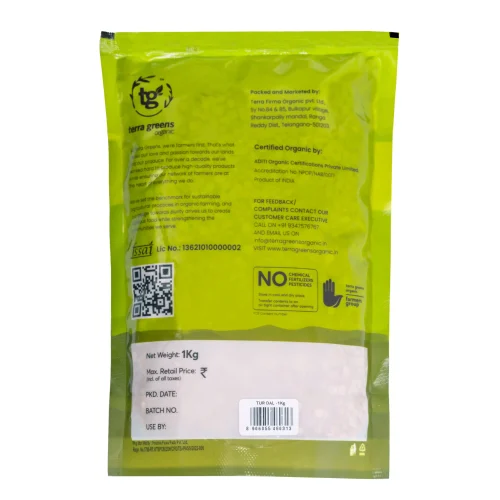
Contact the vendor for bulk order pricing: Terra Firma Organic Private Limited
Please contact the vendor directly for their specific return and shipping policies.
For any inquiries, contact us at info@cleantech-mart.com