

Shopping Cart
Shipping Address :
Guest
No shipping address found. Please add an address.
—
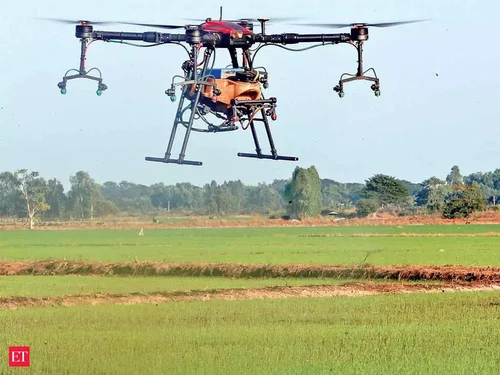
Petrol Agriculture Drone
Price: ₹6.00 per pieces
Estimated Total Amount: ₹6.00


| Capacity | 16 Litre |
| Material | Carbon Fiber |
| Wheelbase | 1250mB |
| Max Height | 500 mm |
| Air Vehicle Type | Quadcopter Air |
| Endurance | 1 hour |
| Speed | 5 m/s |
| Sprayer Nozzle Type | T Type |
No reviews yet. Be the first to review this product.
Login to ask a question.
Sensors play a crucial role in modern agricultural farming by enabling precision agriculture practices. The sustainability of sensors in agriculture depends on various factors:
Resource Efficiency: Sensors can help optimize resource usage by providing real-time data on soil moisture, temperature, nutrient levels, and crop health. This information allows farmers to precisely apply water, fertilizers, and pesticides, reducing waste and environmental impact.
Energy Consumption: Sensor technologies have evolved to become more energy-efficient over time. Low-power wireless sensors can operate for extended periods using minimal energy. Energy-efficient sensors contribute to sustainability by reducing the overall energy consumption of agricultural systems.
Waste Reduction: By monitoring environmental conditions and crop health, sensors can identify early signs of plant stress, disease, or pest infestations. This early detection enables targeted interventions, reducing the need for broad-spectrum chemical treatments and minimizing waste associated with excessive pesticide or fertilizer use.
Soil and Water Conservation: Sensors aid in optimizing irrigation practices by monitoring soil moisture levels and weather conditions. This information helps farmers deliver water precisely when and where it's needed, reducing water waste and conserving this valuable resource.
Biodiversity and Ecosystem Impact: Sustainable agriculture aims to minimize the negative impact on ecosystems and biodiversity. Sensors can assist in monitoring and managing biodiversity by tracking environmental parameters, allowing farmers to implement ecosystem-friendly practices and reduce the use of harmful chemicals.
Data-Driven Decision Making: Sensors generate vast amounts of data, enabling data-driven decision making in agriculture. By analyzing the collected data, farmers can gain insights into crop performance, resource utilization, and environmental conditions. This information empowers them to optimize farming practices and make more sustainable choices.
While sensors have the potential to improve agricultural sustainability, it's important to consider their overall lifecycle impact, including the production, use, and disposal of these devices. Additionally, the integration of sensor technologies into farming practices may require upfront investments and technical expertise. Nonetheless, when implemented thoughtfully, sensors can contribute significantly to sustainable agriculture by reducing resource consumption, minimizing waste, and optimizing farming practices.
No offers available for this product at the moment.
Contact the vendor for bulk order pricing: RedgritDronesAndTechnologiesPrivateLimited
Please contact the vendor directly for their specific return and shipping policies.
For any inquiries, contact us at info@cleantech-mart.com