

Shopping Cart
Shipping Address :
Guest
No shipping address found. Please add an address.
—
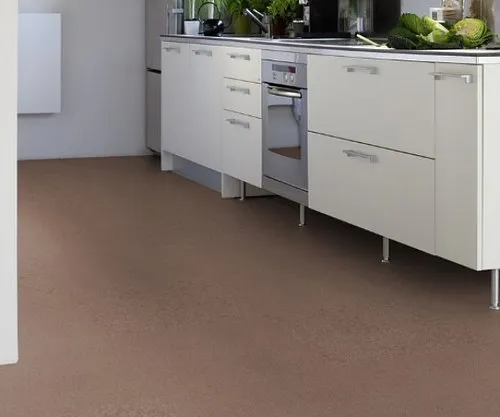
Plain Vinyl Flooring Carpet for Office
Price: ₹40.00 per pieces
Estimated Total Amount: ₹40.00

No reviews yet. Be the first to review this product.
Login to ask a question.
Low VOC Flooring:
Low VOC (Volatile Organic Compound) flooring refers to flooring materials that have minimal or no emissions of harmful chemicals into the air. These types of flooring options are considered more sustainable and environmentally friendly compared to traditional flooring materials that release higher levels of VOCs.
The sustainability of low VOC flooring depends on various factors, including the materials used, production processes, and end-of-life disposal. Here are some key points to consider:
Material Selection: Opting for sustainable flooring materials such as bamboo, cork, linoleum, or FSC-certified hardwood can significantly reduce the environmental impact. These materials are often renewable, biodegradable, and have lower VOC emissions.
Manufacturing Process: The sustainability of low VOC flooring also relies on the manufacturing methods used. Look for manufacturers that prioritize energy-efficient production processes, use recycled or reclaimed materials, and minimize waste generation.
Indoor Air Quality: Low VOC flooring contributes to better indoor air quality by reducing the emission of harmful chemicals. This is beneficial for the health and well-being of building occupants, particularly those with respiratory sensitivities or allergies.
Durability and Lifespan: Sustainable flooring should be durable and have a long lifespan to minimize the need for frequent replacements. Longer-lasting floors reduce waste and the consumption of resources over time.
Proper Installation: Ensure that low VOC flooring is installed correctly using non-toxic adhesives and finishes. Improper installation can negate the benefits of low VOC flooring by introducing other chemicals into the environment.
Water-Efficient Plumbing:
Water-efficient plumbing systems aim to reduce water consumption and wastage in residential, commercial, and industrial settings. Here's how they contribute to sustainability:
Fixtures and Appliances: Installing water-efficient fixtures such as low-flow toilets, faucets, and showerheads can significantly reduce water usage. These fixtures are designed to maintain satisfactory performance while using less water.
Greywater Systems: Greywater refers to gently used water from sinks, showers, and laundry. Implementing greywater systems allows for the collection, treatment, and reuse of greywater for purposes like landscape irrigation or toilet flushing. This reduces the demand for freshwater resources.
Rainwater Harvesting: Collecting rainwater through rooftop catchment systems and storing it in tanks or cisterns can supplement non-potable water needs. Rainwater can be used for irrigation, cleaning, or other non-drinking purposes, reducing reliance on treated water.
Leak Detection and Repair: Regular monitoring and prompt repair of leaks in plumbing systems prevent water wastage. Even minor leaks can add up to significant water loss over time, so early detection is crucial.
Education and Awareness: Promoting water-saving practices and providing education on efficient water use can encourage individuals and communities to adopt sustainable behaviors, resulting in long-term water conservation.
To ensure the sustainability of water-efficient plumbing, it is essential to consider factors such as proper system design, installation by professionals, and regular maintenance to maintain optimal performance and minimize water waste.
No offers available for this product at the moment.
Contact the vendor for bulk order pricing: Burhaniinteriors
Please contact the vendor directly for their specific return and shipping policies.
For any inquiries, contact us at info@cleantech-mart.com