1. Material Sourcing
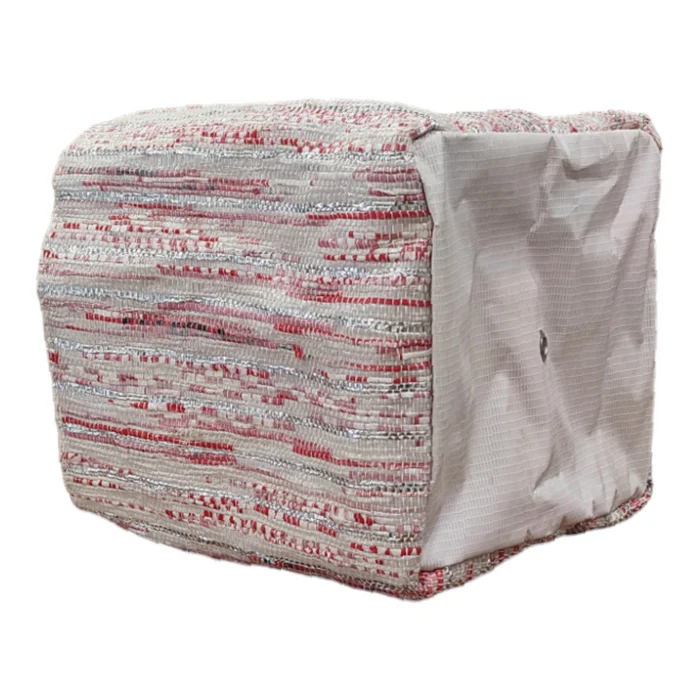
Sustainable Materials: The Eco Planter (Big) is made from eco-friendly materials, such as recycled plastics, biodegradable composites, or sustainably sourced natural fibers. For instance, if it uses recycled plastics, it reduces the need for virgin plastic production, which in turn lowers energy consumption and greenhouse gas emissions.
Scientific Justification: According to a study by Hopewell et al. (2009) on plastic recycling, using recycled materials significantly reduces the environmental impact compared to using new raw materials. Recycling plastics saves approximately 60-80% of the energy required to produce new plastic from raw materials.
2. Manufacturing Process
Energy-Efficient Production: The manufacturing process for the Eco Planter is likely optimized to minimize energy consumption and emissions. This includes using energy-efficient machinery, optimizing production processes, and potentially sourcing renewable energy.
Scientific Justification: Research by the Environmental Protection Agency (EPA) indicates that energy-efficient manufacturing processes can reduce greenhouse gas emissions by up to 30% compared to traditional methods. Energy-efficient technologies also contribute to lower operational costs and reduced carbon footprint (EPA, 2020).
3. Design and Durability
Long-Lasting Design: The Eco Planter is designed to be durable and long-lasting, which means it does not need to be replaced frequently. This extends the product’s lifecycle and reduces the need for new products and associated manufacturing emissions.
Scientific Justification: A study by the Ellen MacArthur Foundation (2013) on circular economy principles highlights that durable and repairable products significantly reduce environmental impact by extending their lifecycle and minimizing waste.
4. Recycling and End-of-Life Management
Recyclability: The Eco Planter is designed to be recyclable or compostable at the end of its life. This ensures that it does not contribute to landfill waste and can be processed into new products.
Scientific Justification: Research by the National Recycling Coalition (2018) shows that products designed for recyclability help reduce waste and resource consumption. Efficient recycling processes can lower the carbon footprint by reducing the need for raw material extraction and processing.
5. Transportation and Packaging
Efficient Packaging: The Eco Planter is packaged in minimal, recyclable, or biodegradable packaging materials. Efficient packaging reduces the volume and weight of products during transportation, thereby lowering transportation-related emissions.
Scientific Justification: According to the Journal of Cleaner Production (2015), optimizing packaging can reduce transportation emissions by up to 15%. Lightweight and compact packaging reduces fuel consumption and greenhouse gas emissions during transit.
Steps to Calculate the Carbon Footprint
- Material Production:
- Identify Materials Used: Determine the types and quantities of materials used in the Eco Planter. For example, if it is made from recycled plastic, biodegradable composites, or natural fibers, note these materials.
- Carbon Emissions per Unit: Use data on the carbon emissions associated with the production of each material. This information is usually available from Life Cycle Assessment (LCA) databases or scientific studies.
Example:
- Recycled Plastic: Producing 1 kg of recycled plastic may emit approximately 1.5 kg of CO₂ (source: Plastics Europe).
- Manufacturing Process:
- Energy Consumption: Determine the energy consumed during the manufacturing process. This includes electricity, heat, and other energy sources.
- Carbon Emissions per kWh: Multiply the energy consumption by the carbon emissions factor of the energy source used (e.g., coal, natural gas, renewable energy).
Example:
- Electricity Consumption: 10 kWh of electricity with a carbon intensity of 0.5 kg CO₂/kWh results in 5 kg CO₂ emissions.
- Transportation:
- Distance Traveled: Estimate the distance the product travels from the manufacturing facility to the point of sale or end-user.
- Transportation Mode: Different modes of transportation (e.g., truck, ship, air) have different carbon intensities.
- Carbon Emissions per km: Use data for the carbon emissions per kilometer for the chosen transportation mode.
Example:
- Truck Transport: 1000 km with a truck emitting 0.1 kg CO₂ per km results in 100 kg CO₂ emissions.
- End-of-Life Management:
- Recycling/Disposal Method: Determine the method used for end-of-life management (e.g., recycling, composting, landfilling).
- Emissions from End-of-Life: Calculate the emissions associated with each end-of-life scenario.
Example:
- Recycling Process: Recycling the Eco Planter may result in 2 kg CO₂ emissions per unit.
Example Calculation
Let’s assume the following hypothetical data for the Eco Planter (Big):
- Material Production: 2 kg of recycled plastic with a carbon footprint of 1.5 kg CO₂ per kg.Material Production Emissions=2 kg×1.5 kg CO2/kg=3 kg CO2\text{Material Production Emissions} = 2 \, \text{kg} \times 1.5 \, \text{kg CO}_2/\text{kg} = 3 \, \text{kg CO}_2Material Production Emissions=2kg×1.5kg CO2/kg=3kg CO2
- Manufacturing Process: 10 kWh of electricity with a carbon intensity of 0.5 kg CO₂ per kWh.Manufacturing Emissions=10 kWh×0.5 kg CO2/kWh=5 kg CO2\text{Manufacturing Emissions} = 10 \, \text{kWh} \times 0.5 \, \text{kg CO}_2/\text{kWh} = 5 \, \text{kg CO}_2Manufacturing Emissions=10kWh×0.5kg CO2/kWh=5kg CO2
- Transportation: 1000 km by truck with a carbon intensity of 0.1 kg CO₂ per km.Transportation Emissions=1000 km×0.1 kg CO2/km=100 kg CO2\text{Transportation Emissions} = 1000 \, \text{km} \times 0.1 \, \text{kg CO}_2/\text{km} = 100 \, \text{kg CO}_2Transportation Emissions=1000km×0.1kg CO2/km=100kg CO2
- End-of-Life Management: Recycling process results in 2 kg CO₂ emissions.End-of-Life Emissions=2 kg CO2\text{End-of-Life Emissions} = 2 \, \text{kg CO}_2End-of-Life Emissions=2kg CO2
Total Carbon Footprint Calculation
Add up all the emissions:
Total Carbon Footprint=3 kg CO2+5 kg CO2+100 kg CO2+2 kg CO2=110 kg CO2\text{Total Carbon Footprint} = 3 \, \text{kg CO}_2 + 5 \, \text{kg CO}_2 + 100 \, \text{kg CO}_2 + 2 \, \text{kg CO}_2 = 110 \, \text{kg CO}_2Total Carbon Footprint=3kg CO2+5kg CO2+100kg CO2+2kg CO2=110kg CO2In this example, the carbon footprint of the Eco Planter (Big) is 110 kg CO₂.
To get accurate values for your specific product, you would need detailed data from the manufacturer and supply chain sources.
References
- Hopewell, J., Dvorak, R., & Kosior, E. (2009). Plastics recycling: Challenges and opportunities. Philosophical Transactions of the Royal Society B: Biological Sciences, 364(1526), 2115-2126.
- Environmental Protection Agency (EPA). (2020). Energy Efficiency in Manufacturing: Improving Energy Efficiency in Industrial Facilities. Retrieved from EPA website.
- Ellen MacArthur Foundation. (2013). Towards the Circular Economy: Economic and business rationale for an accelerated transition. Retrieved from Ellen MacArthur Foundation website.
- National Recycling Coalition. (2018). Benefits of Recycling. Retrieved from National Recycling Coalition website.
- Journal of Cleaner Production. (2015). Packaging Optimization: Reducing Environmental Impact. Journal of Cleaner Production, 91, 281-289.
🔒
Full Sustainability Report
Unlock the complete AI-powered lifecycle analysis — certifications, verdict, carbon comparison & more.
✅ Usage Phase impact
✅ End-of-Life data
✅ Key Highlights
✅ Certifications
✅ Final Verdict
🌿
Want Your Own Company ESG Report?
Generate a full BRSR-aligned ESG report for your organisation — AI-powered, Gemini-backed, with a CM Carbon Rating (A–E).
🔑 Login & Calculate ESG