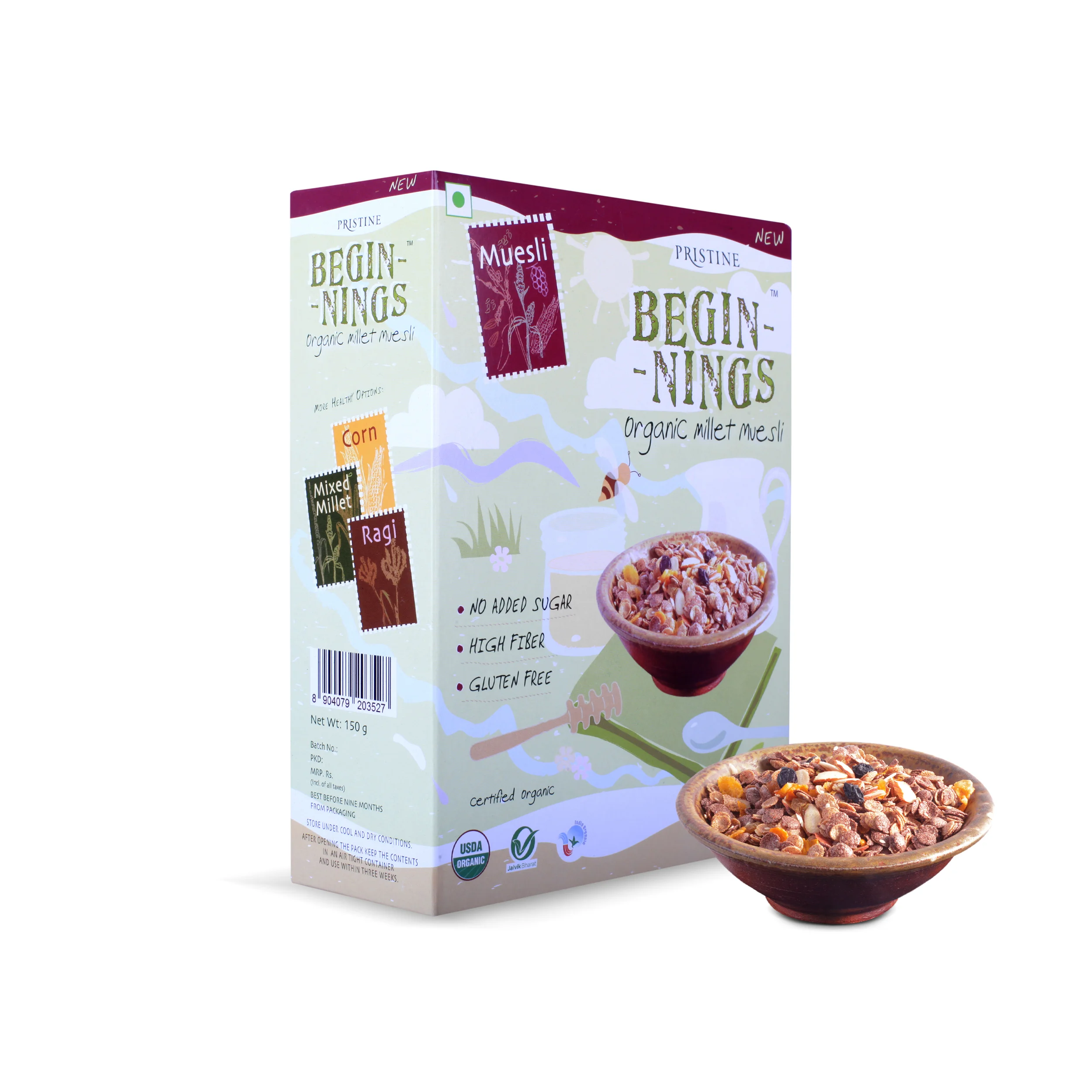
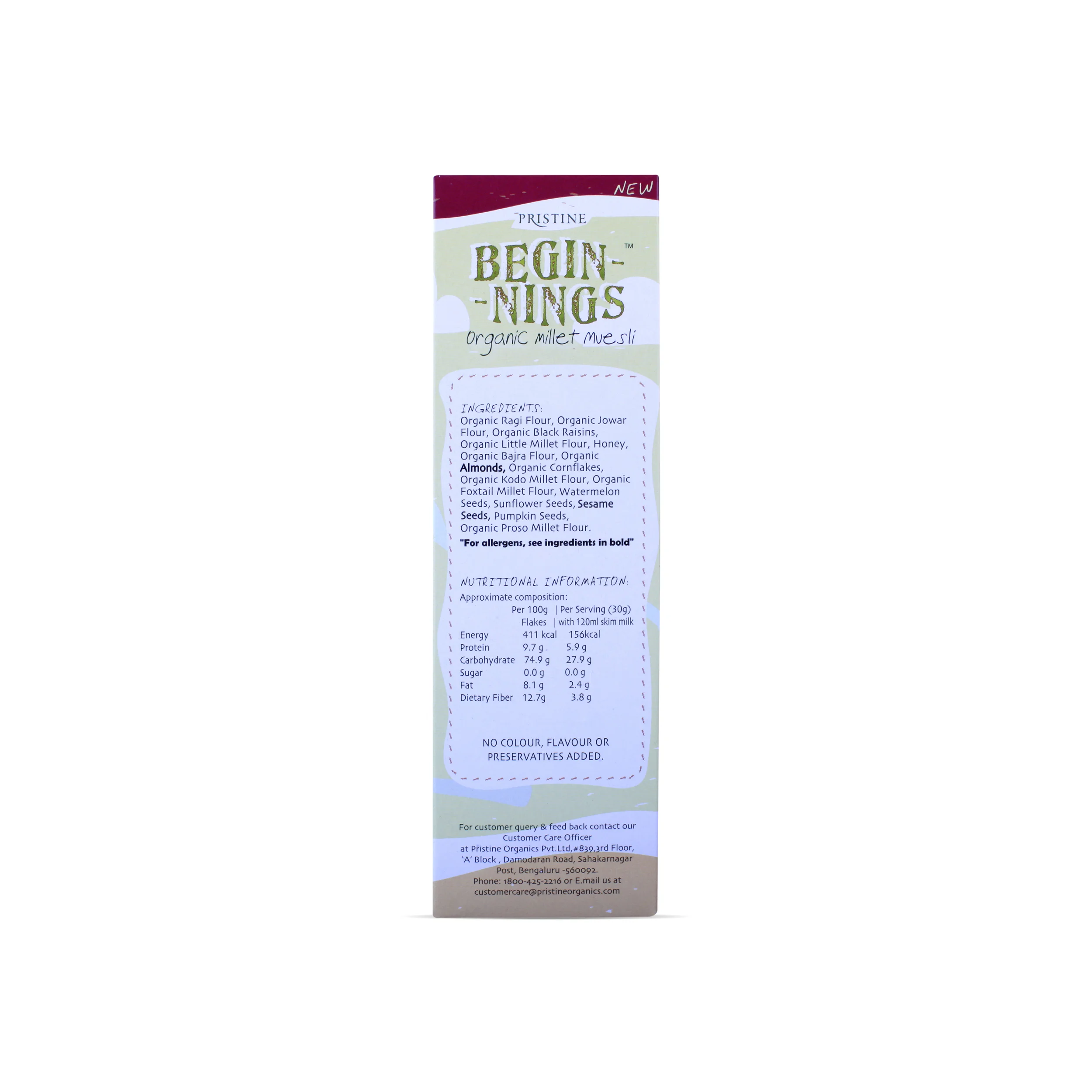
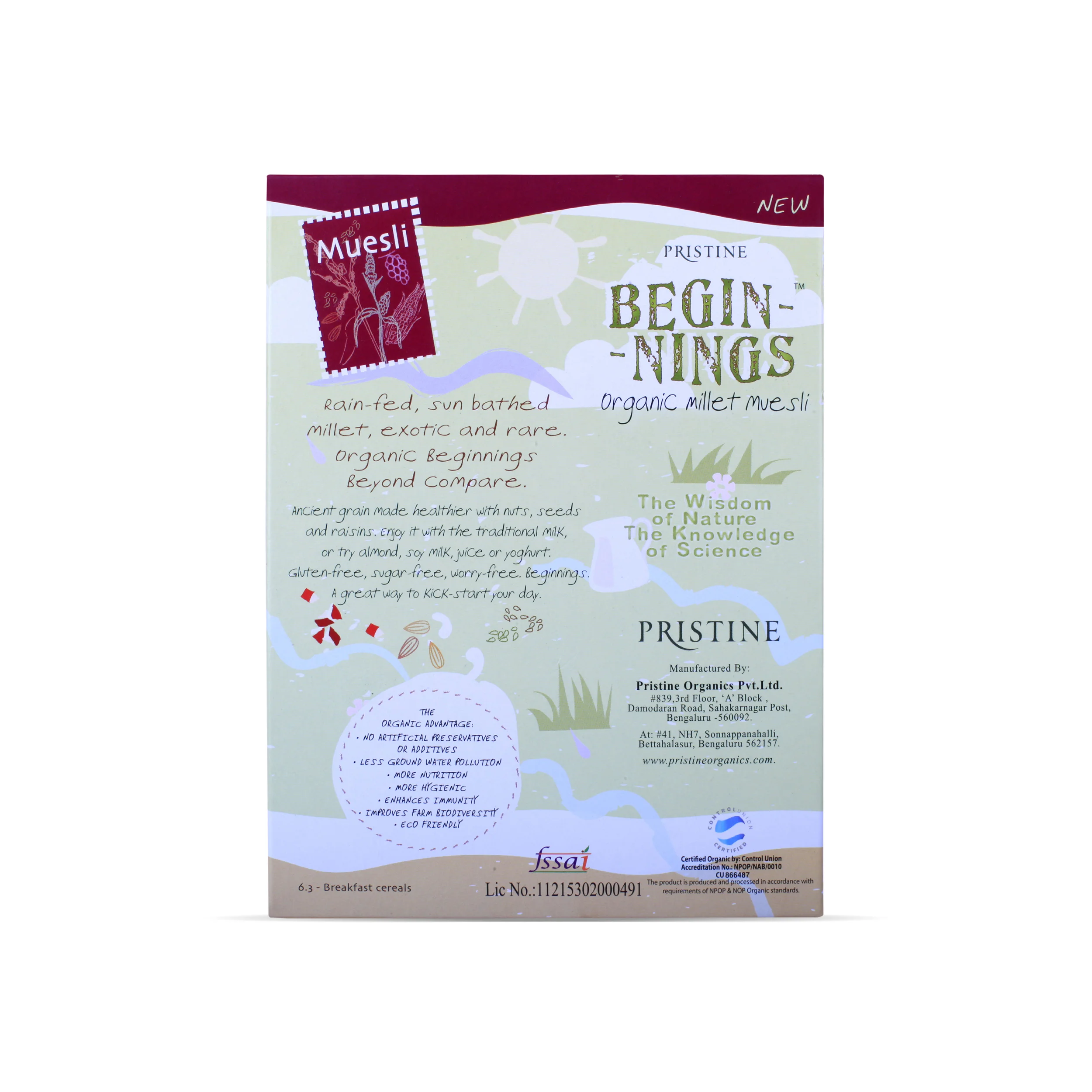
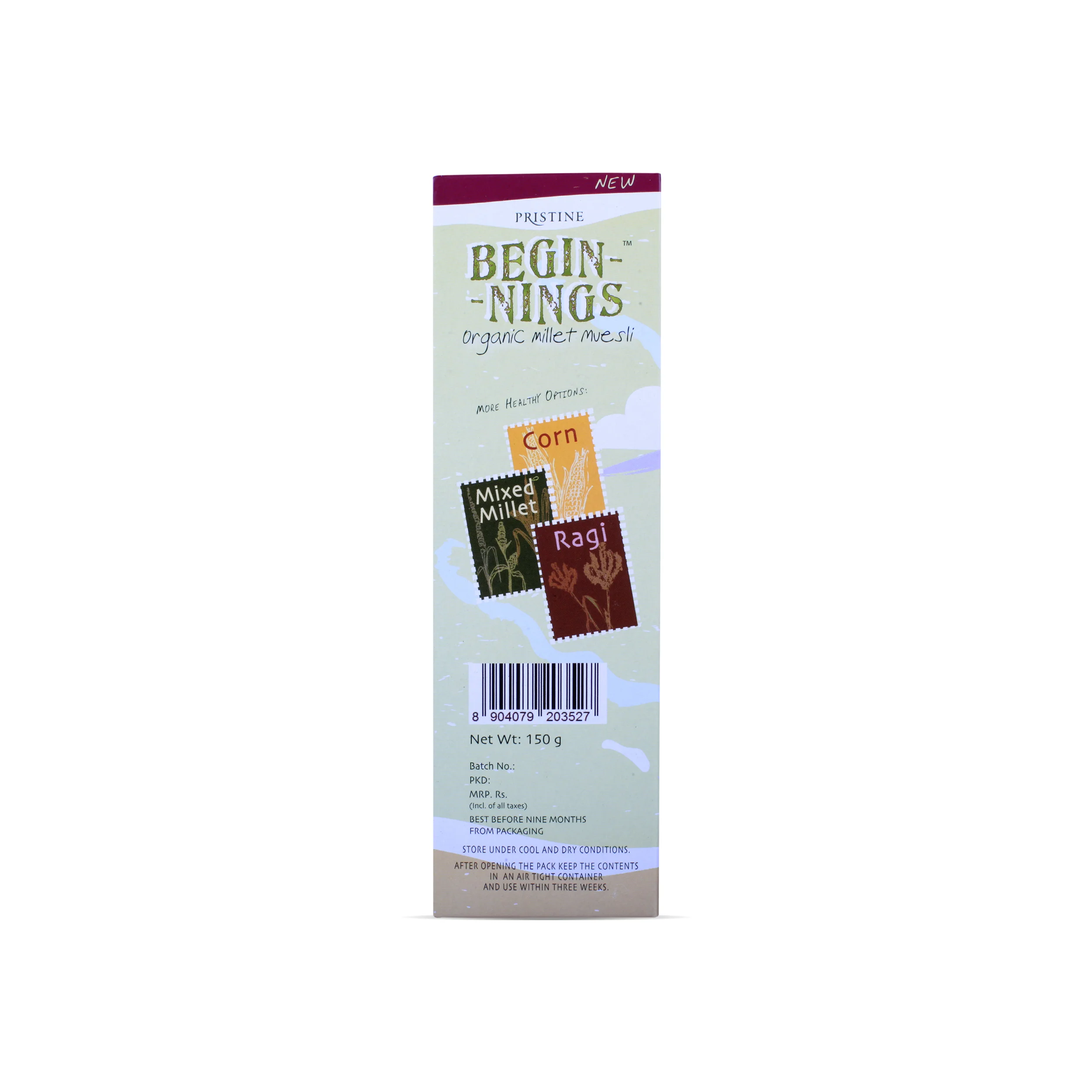
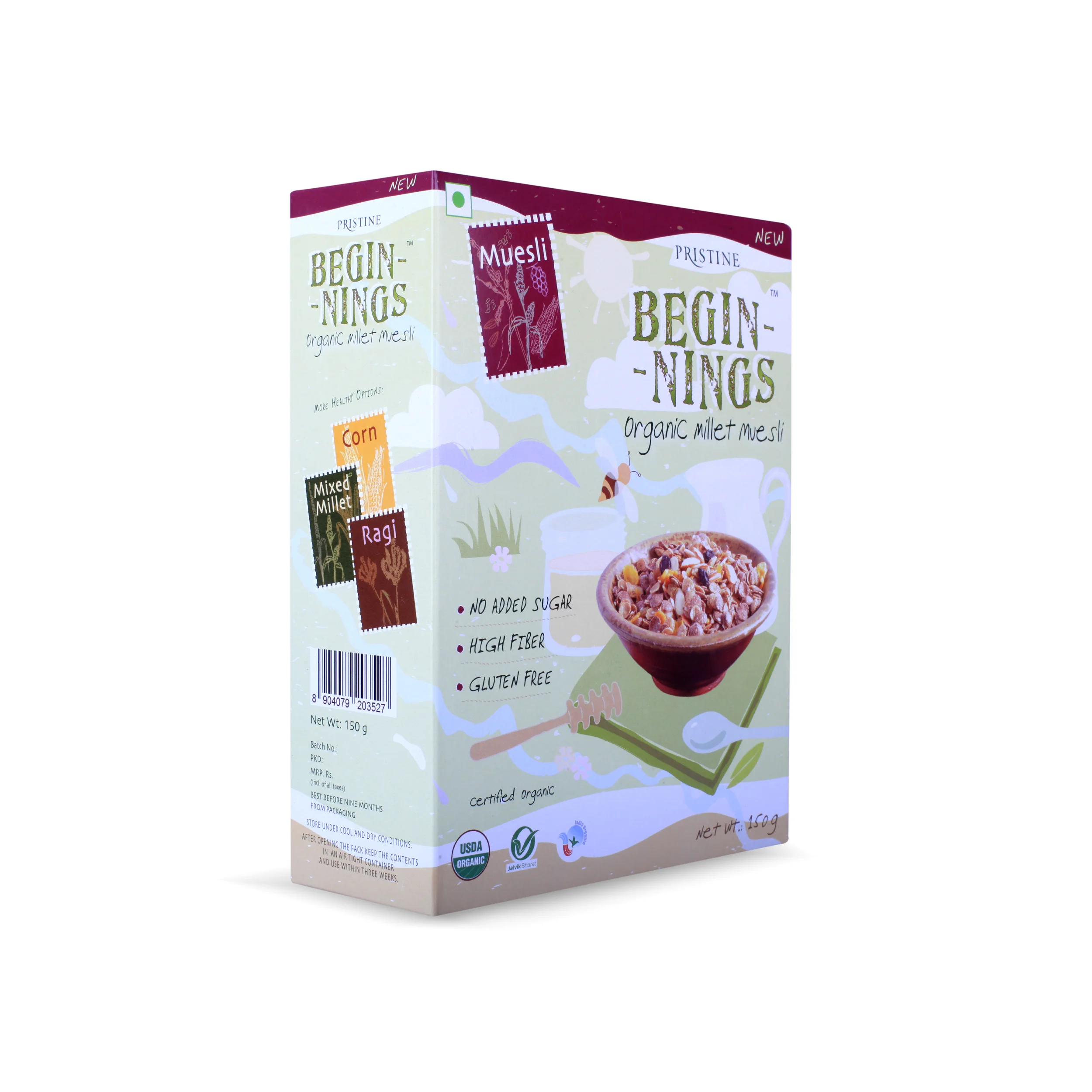
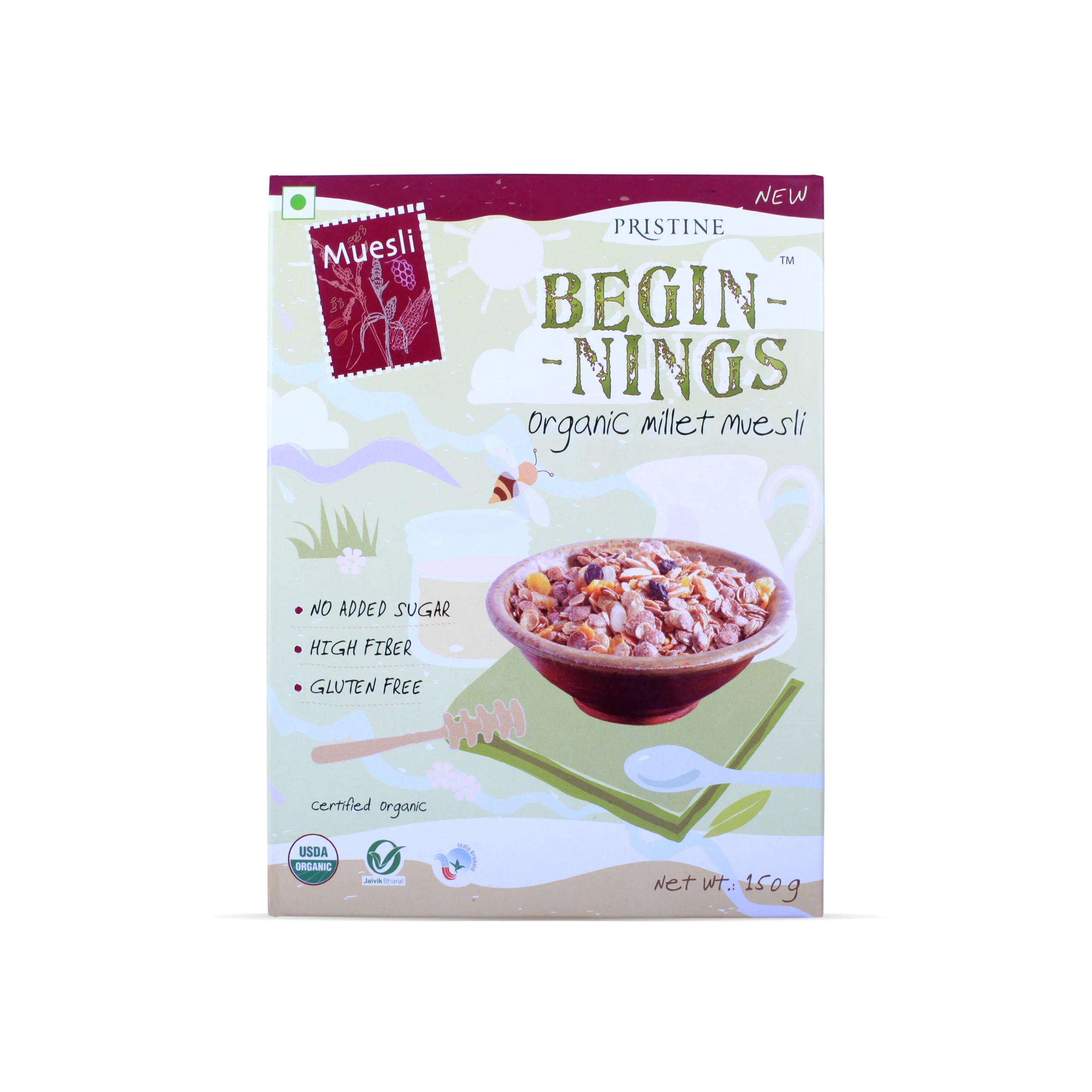
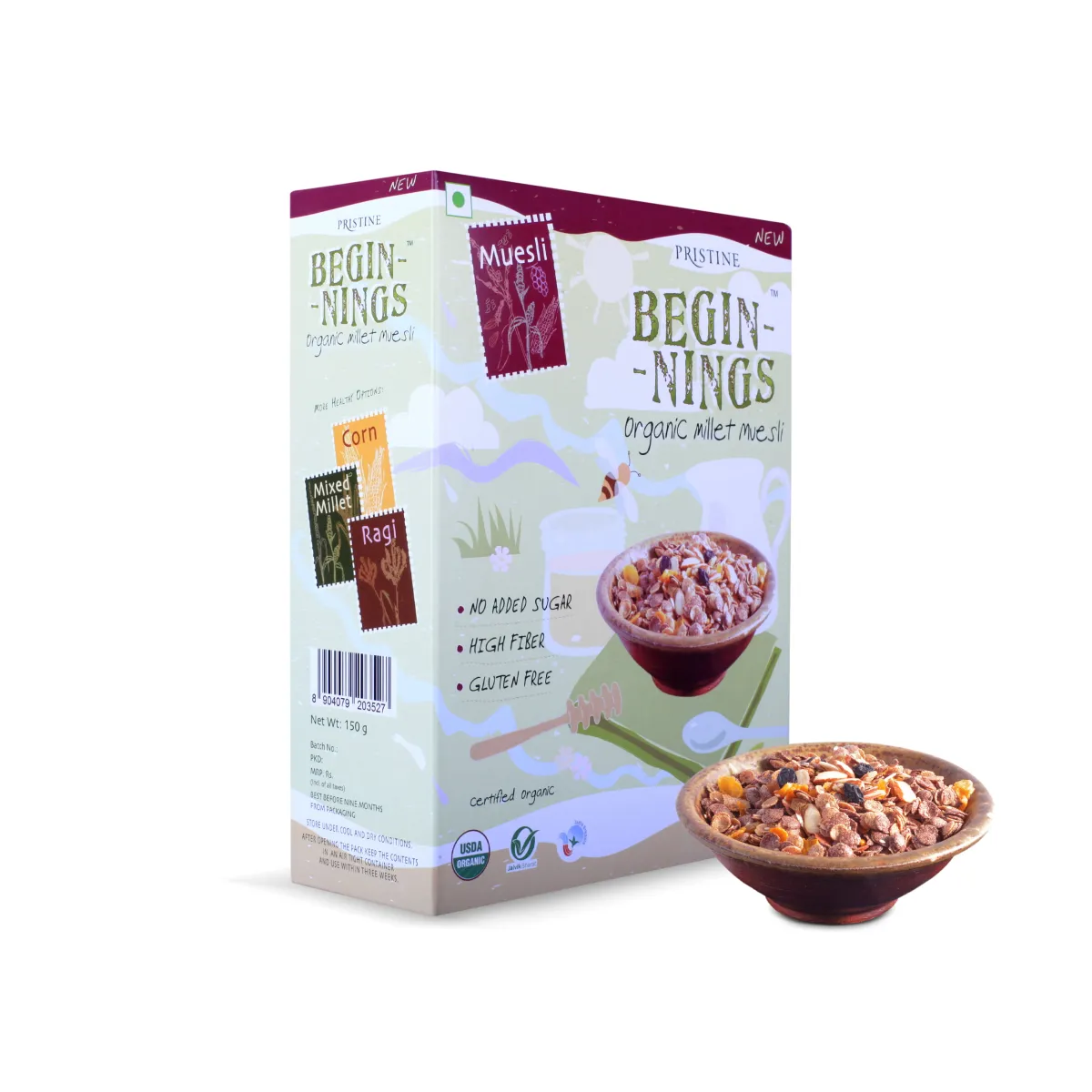
Organic cereals are generally considered to be more sustainable than conventionally grown cereals because they are produced without the use of synthetic pesticides, fertilizers, and genetically modified organisms (GMOs). This reduces the impact on the environment and can lead to healthier soil, water, and biodiversity.
In addition, organic farming practices tend to prioritize the use of renewable resources and reduce waste. This may include the use of crop rotations, cover crops, and natural pest control methods. Organic farmers may also prioritize the use of local and seasonal inputs, reducing transportation emissions and supporting local economies.
However, it is important to note that the sustainability of organic cereals can still be influenced by a variety of factors, including the specific farming practices used, the location and scale of production, and the transportation and distribution methods used to get the products to consumers. Additionally, organic farming may not always result in higher yields, which could limit its ability to feed a growing global population.
Overall, while organic cereals can be a more sustainable choice than conventionally grown cereals, it is important to consider the specific practices used and the larger context of the food system in evaluating sustainability.
🔒
Full Sustainability Report
Unlock the complete AI-powered lifecycle analysis — certifications, verdict, carbon comparison & more.
✅ Usage Phase impact
✅ End-of-Life data
✅ Key Highlights
✅ Certifications
✅ Final Verdict
🌿
Want Your Own Company ESG Report?
Generate a full BRSR-aligned ESG report for your organisation — AI-powered, Gemini-backed, with a CM Carbon Rating (A–E).
🔑 Login & Calculate ESG