
Shopping Cart
Shipping Address :
Guest
No shipping address found. Please add an address.
—
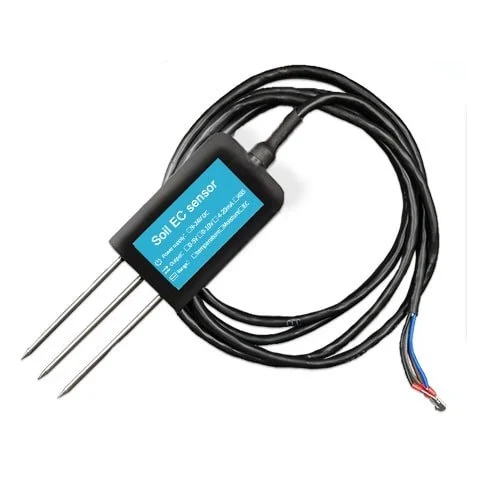
Soil Sensor JXBS-3001-EC-I20
Price: ₹4,500.00 per pieces
Estimated Total Amount: ₹4,500.00

| Brand | JXCT |
| Part Number | JXBS-3001-EC-I20 |
| Operating Temperature | 5 to 45 Deg C |
| Power Supply | 9-24V |
| Measuring Range | 0-1999mg/kg |
| Output Signal | RS485 |
Soil Sensor JXBS-3001-EC-I20 Introduction
Soil Sensor JXBS-3001-EC-I20 is a high functional and digital display soil meter. Agricultural sensor series products are widely used in agricultural greenhouses, flower cultivation, pasture grassland and other occasions, real-time monitoring of temperature and humidity, light care, soil and other conditions, including temperature and humidity sensors, soil conductivity (EC) sensors, illuminance sensors, and other types All-in-one sensor. This product uses a highly sensitive gas detection probe with stable signal and high precision. The soil conductivity sensor is suitable for measuring the total salt content (conductivity) of the soil. The soil conductivity sensor greatly facilitates the customer system’s assessment of soil conditions. Compared with the German original high-accuracy sensor, the precision is high, the response is fast, and the output is stable. Suitable for all kinds of soil. Can be buried in soil for a long time, resistant to long-term electrolysis, corrosion resistance, vacuum potting, completely waterproof.
Methods of testing
Precautions
Application
No reviews yet. Be the first to review this product.
Login to ask a question.
Sensors play a crucial role in enhancing sustainability in agricultural farming. They enable farmers to monitor and manage various aspects of their operations more efficiently, leading to optimized resource utilization and reduced environmental impact. Here are some ways in which sensors contribute to agricultural sustainability:
Water Management: Sensor technologies such as soil moisture sensors, weather stations, and evapotranspiration sensors help farmers optimize irrigation practices. By monitoring soil moisture levels and weather conditions in real-time, farmers can precisely determine when and how much water to apply, minimizing water waste and reducing the risk of over- or under-irrigation.
Nutrient Management: Sensors, such as soil nutrient sensors and plant sap analysis tools, allow farmers to accurately measure nutrient levels in the soil and plants. This information helps optimize fertilizer application, preventing excessive use and minimizing nutrient runoff, which can pollute water bodies and harm ecosystems.
Pest and Disease Management: Sensor-based monitoring systems help detect early signs of pests and diseases in crops. For instance, automated pest traps, weather-based pest models, and image recognition systems can identify pest infestations or disease symptoms. By identifying issues at an early stage, farmers can take targeted and precise actions, reducing the need for broad-spectrum chemical treatments and minimizing the environmental impact.
Yield Optimization: Sensors, such as crop yield monitors and yield mapping systems, enable farmers to collect detailed data on crop performance. This information helps identify areas of the field with higher or lower productivity, allowing farmers to implement site-specific management strategies. By optimizing input application and focusing resources where they are most needed, farmers can maximize yields while minimizing resource wastage.
Energy Efficiency: Sensors contribute to energy conservation in agriculture by enabling smart automation and control systems. For example, sensors can monitor temperature, humidity, and light levels in greenhouses, optimizing climate control and reducing energy consumption. Similarly, sensors can regulate irrigation systems, machinery operation, and other energy-intensive processes, ensuring efficient use of power resources.
Decision Support: Sensor data combined with advanced analytics and machine learning techniques provide valuable insights for decision-making. By leveraging historical data and real-time sensor information, farmers can make informed choices regarding planting, harvesting, resource allocation, and other critical activities. This data-driven approach helps optimize resource usage, reduce waste, and enhance overall farm sustainability.
While sensors offer substantial benefits in agricultural sustainability, their adoption and effectiveness depend on several factors such as cost, reliability, compatibility, and accessibility. Additionally, ensuring proper data privacy and security measures is crucial when implementing sensor-based systems in agriculture.
No offers available for this product at the moment.
Contact the vendor for bulk order pricing: SourcewellDevicesPrivateLimited
Please contact the vendor directly for their specific return and shipping policies.
For any inquiries, contact us at info@cleantech-mart.com