
Shopping Cart
Shipping Address :
Guest
No shipping address found. Please add an address.
—
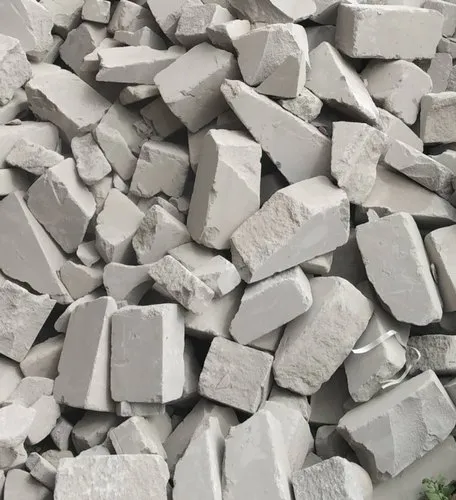
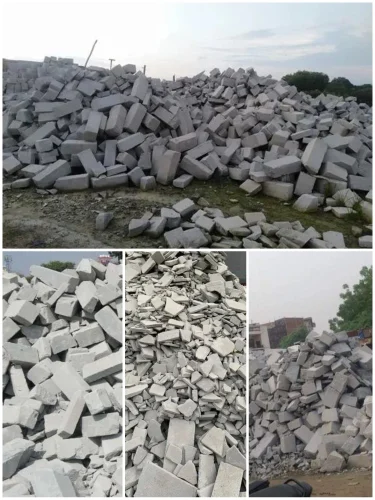
Sunken Slab Filling Materials (50 kg)
Price: ₹3,500.00 per pieces
Estimated Total Amount: ₹3,500.00
Produc


Product Details:
| Country of Origin | Made in India |
| Design | Solid |
| Density | 550 TO 650 |
| Compressive Strength | 4.5 |
| Brand | AAC BROKEN |
| Shape | UN EVEN SIZE |
| Color | Grey |
| Material | Broken Bricks |
| Resistance Durability | Water Resistant |
| Size | 3 inch |
| Usage/Application | Floor |
Available in Mobile Lightweight Concreate Application Areas
No reviews yet. Be the first to review this product.
Login to ask a question.
Renewable Material Cellular Lightweight Concrete (CLC) is a type of concrete that incorporates renewable materials as part of its composition. The sustainability of CLC depends on several factors, including the renewable materials used, the manufacturing process, and the end-of-life options for the material.
Here are some key points regarding the sustainability of Renewable Material CLC:
Renewable Materials: The use of renewable materials in CLC can contribute to its sustainability. Common renewable materials include agricultural waste, such as rice husks, straw, or wood chips. By utilizing waste products that would otherwise be discarded, CLC can reduce the environmental impact associated with traditional concrete production.
Energy Efficiency: The manufacturing process of CLC generally requires less energy compared to traditional concrete. The production of lightweight concrete involves less cement, which is a significant source of carbon emissions. Additionally, CLC typically requires less energy for mixing and curing, leading to lower overall energy consumption.
Reduced Carbon Emissions: The use of lightweight aggregates, such as expanded clay or recycled materials, in CLC can help reduce carbon emissions associated with transportation and production. The lower weight of the material results in lower energy consumption during transportation, thereby reducing greenhouse gas emissions.
Insulation Properties: CLC often possesses good thermal insulation properties due to its cellular structure. This can enhance energy efficiency in buildings by reducing the need for excessive heating or cooling, leading to lower energy consumption and associated carbon emissions.
Durability and Longevity: Like any concrete material, the durability and longevity of CLC structures can contribute to sustainability. If well-designed and properly maintained, CLC can have a long lifespan, reducing the need for frequent replacements and minimizing material waste.
Recycling and Reuse: At the end of its life cycle, CLC can be crushed and used as recycled aggregate for new CLC production or other applications, such as road construction. Recycling and reusing CLC can help minimize waste and reduce the demand for virgin materials.
It's important to note that the sustainability of CLC can vary depending on the specific composition, manufacturing process, and other factors. Evaluating the environmental impact of CLC requires a life cycle assessment that considers the entire life cycle, from raw material extraction to disposal or recycling.
Overall, Renewable Material CLC has the potential to be a sustainable alternative to traditional concrete due to its use of renewable materials, lower energy consumption, and potential for recycling and reuse. However, it's crucial to assess each specific product's sustainability claims and consider the complete life cycle impact for accurate evaluation.
No offers available for this product at the moment.
Contact the vendor for bulk order pricing: Shreeshabuilding
Please contact the vendor directly for their specific return and shipping policies.
For any inquiries, contact us at info@cleantech-mart.com