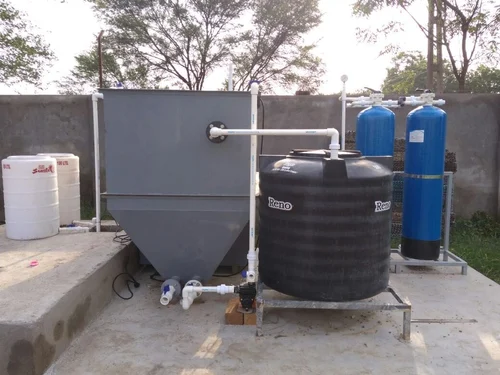
Preliminary Treatment: In this stage, large debris such as rags, paper, plastics, and leaves are removed. Grit and screenings are also separated for disposal.
Primary Treatment: Skimming and settling processes are employed to remove sludge, heavy metals, and scum. These are then transferred to anaerobic digesters for further processing.
Tertiary Treatment: Secondary effluent undergoes polishing using sand beds to eliminate suspended solids. This advanced treatment results in a high-quality discharge to the Grand River.
Disinfection: This phase effectively eliminates the majority of remaining pathogens or disease-causing bacteria before the final effluent is released into the Grand River.
Please note that prices may vary based on specific customer requirements.
Preliminary Treatment: In this stage, large debris such as rags, paper, plastics, and leaves are removed. Grit and screenings are also separated for disposal.
Primary Treatment: Skimming and settling processes are employed to remove sludge, heavy metals, and scum. These are then transferred to anaerobic digesters for further processing.
Tertiary Treatment: Secondary effluent undergoes polishing using sand beds to eliminate suspended solids. This advanced treatment results in a high-quality discharge to the Grand River.
Disinfection: This phase effectively eliminates the majority of remaining pathogens or disease-causing bacteria before the final effluent is released into the Grand River.
Please note that prices may vary based on specific customer requirements.
00 Reviews
5 Star
0
4 Star
0
3 Star
0
2 Star
0
1 Star
0
No reviews yet. Be the first to review this product.
Using recycled water can contribute to saving the Earth by conserving freshwater resources, reducing pollution, and promoting sustainable water management practices. Here's how:
Preservation of Ecosystems: When we reduce the amount of water taken from rivers, lakes, and other natural sources, we help maintain the health of these ecosystems. Conserving water resources can prevent the disruption of aquatic habitats and support biodiversity.
Less Strain on Infrastructure: Recycling water can alleviate the strain on existing water infrastructure by reducing the demand on traditional water sources. This can delay the need for costly infrastructure expansion and upgrades.
Drought Resilience: Recycled water can be particularly valuable during drought periods. Communities that have established recycled water systems are better prepared to maintain essential services and sustain economic activities even in water-scarce conditions.
🔒
Full Sustainability Report
Unlock the complete AI-powered lifecycle analysis — certifications, verdict, carbon comparison & more.